May 2026
From Fragmentation to Wholeness
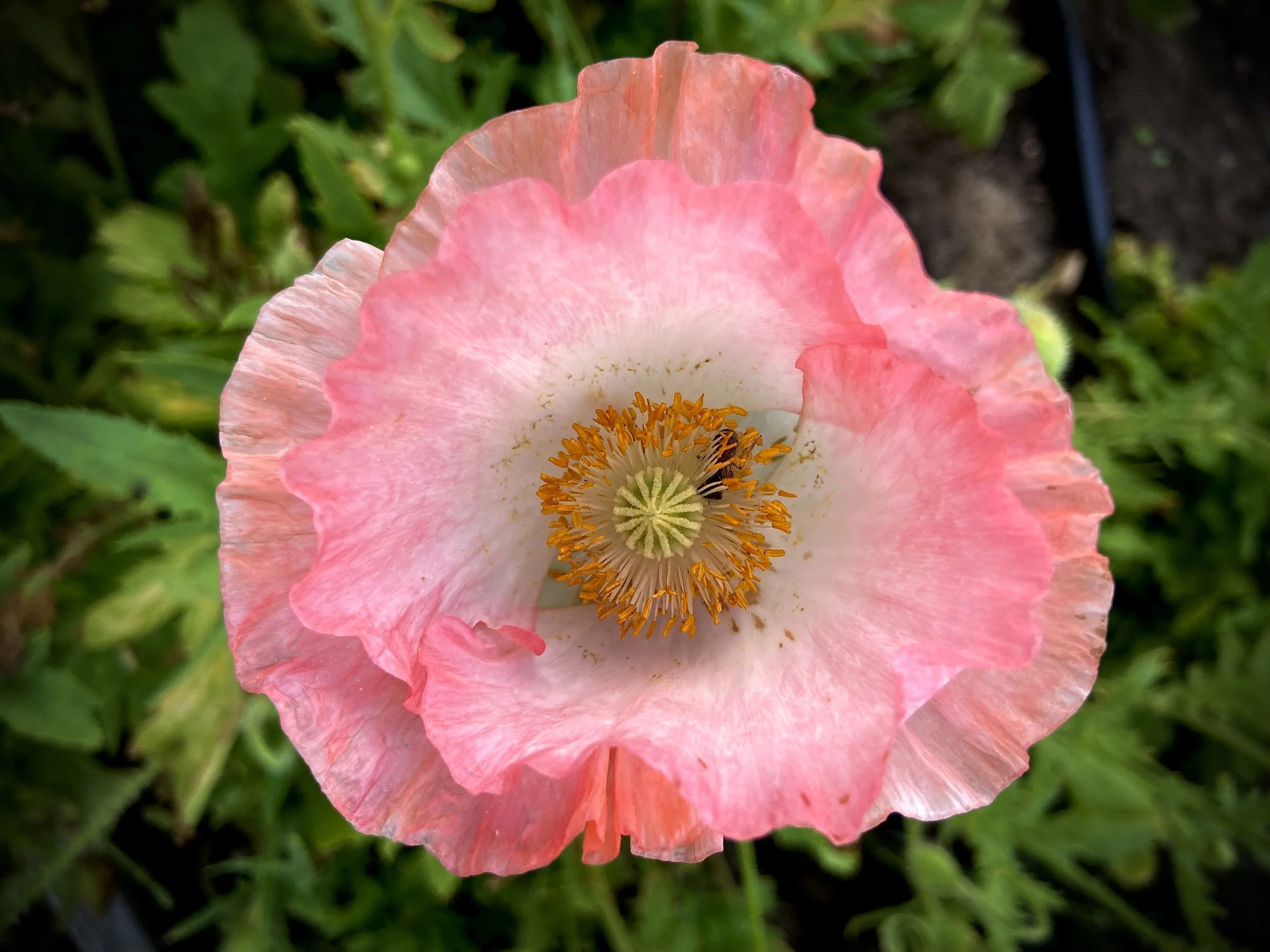
Health has been pulled apart into pieces, managed through systems that treat symptoms while often missing the relationships that actually sustain life. What was once understood as something whole has been divided into categories, specialties, and outcomes. The result is a kind of care that can address parts of a person, but often struggles to restore the person as a whole.
The garden offers a different picture. It does not attempt to fix people, and it does not operate through programs or prescribed outcomes. Instead, it restores what fragmentation removed—connection. Connection to the land, to one another, and to the natural rhythms that quietly shape life. Here, health is not pursued directly. It begins to emerge as a byproduct of being reconnected to what is real.
In this space, learning happens without instruction. Children begin to anticipate the seasons because they have lived them. Hands in the soil replace abstraction with experience. Neighbors who might otherwise pass each other begin to share time, conversation, and responsibility. What many are searching for—peace, belonging, purpose—does not arrive through explanation, but through participation.
This kind of health does not eliminate struggle. The garden does not remove weeds or control the weather, and it does not shield people from the weight they carry. Instead, it creates a place where those realities can be held together. Burdens are not outsourced or avoided. They are shared. And in that shared space, something steady begins to form.
Over time, what begins in the soil begins to restore something deeper. Fragmentation slowly gives way to wholeness. Not all at once, and not through force, but through presence and consistency. A different way of living starts to take root—one that is relational, grounded, and durable enough to carry life as it actually is.
The Wisdom of the Prairie Edge
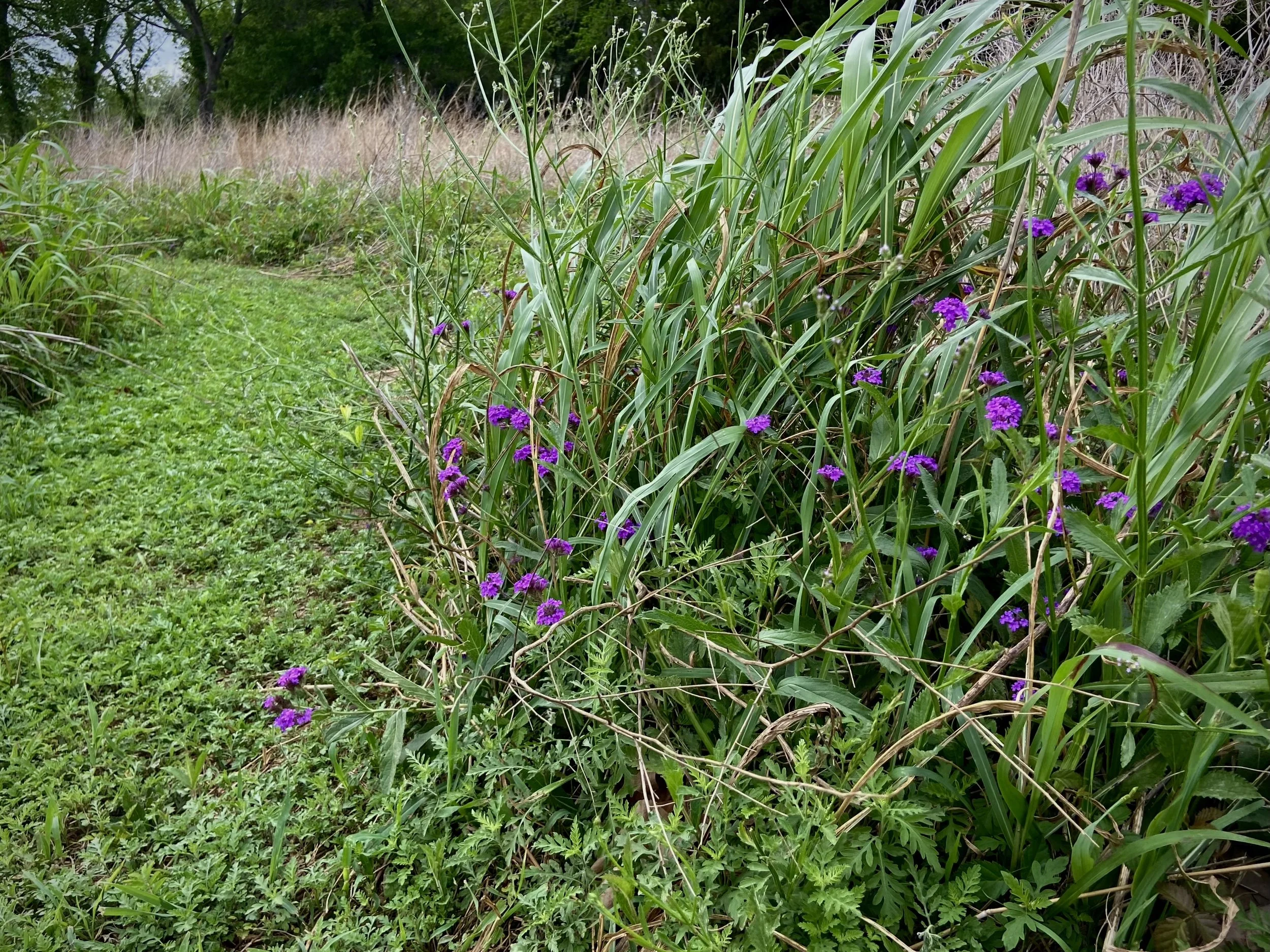
The prairie edge is not a clean line. It is not controlled, symmetrical, or easily defined. It is a place of overlap, where grasses meet trees, where cultivated ground gives way to what is wild. And it is in this in-between space that life is often the most active, the most diverse, and the most resilient.
Edges hold tension. They are not one thing or another, and because of that, they require a different kind of posture. You cannot dominate an edge without diminishing it. You cannot rush it without disrupting what is forming. The prairie edge invites restraint, attentiveness, and a willingness to let multiple realities exist at once.
In the garden, this begins to reveal something deeper. Much of life is lived at the edge—between what we can control and what we cannot, between what we understand and what we are still learning. The instinct is often to resolve that tension quickly, to simplify, to define. But the edge resists that. It holds space for complexity, and in doing so, it allows something richer to emerge.
What appears messy at first glance is often where the most important work is happening. Roots are crossing boundaries. Pollinators are moving between worlds. Systems are interacting, not in competition, but in relationship. The edge becomes a place of exchange, where life is not reduced but multiplied through connection.
The wisdom of the prairie edge is quiet but steady. It shows that life does not flourish through control, but through relationship. And if we are willing to stay there, without rushing past it or trying to tame it, we begin to see that the edge is not a problem to solve, but a place where something whole is being formed.
Not a Community Garden
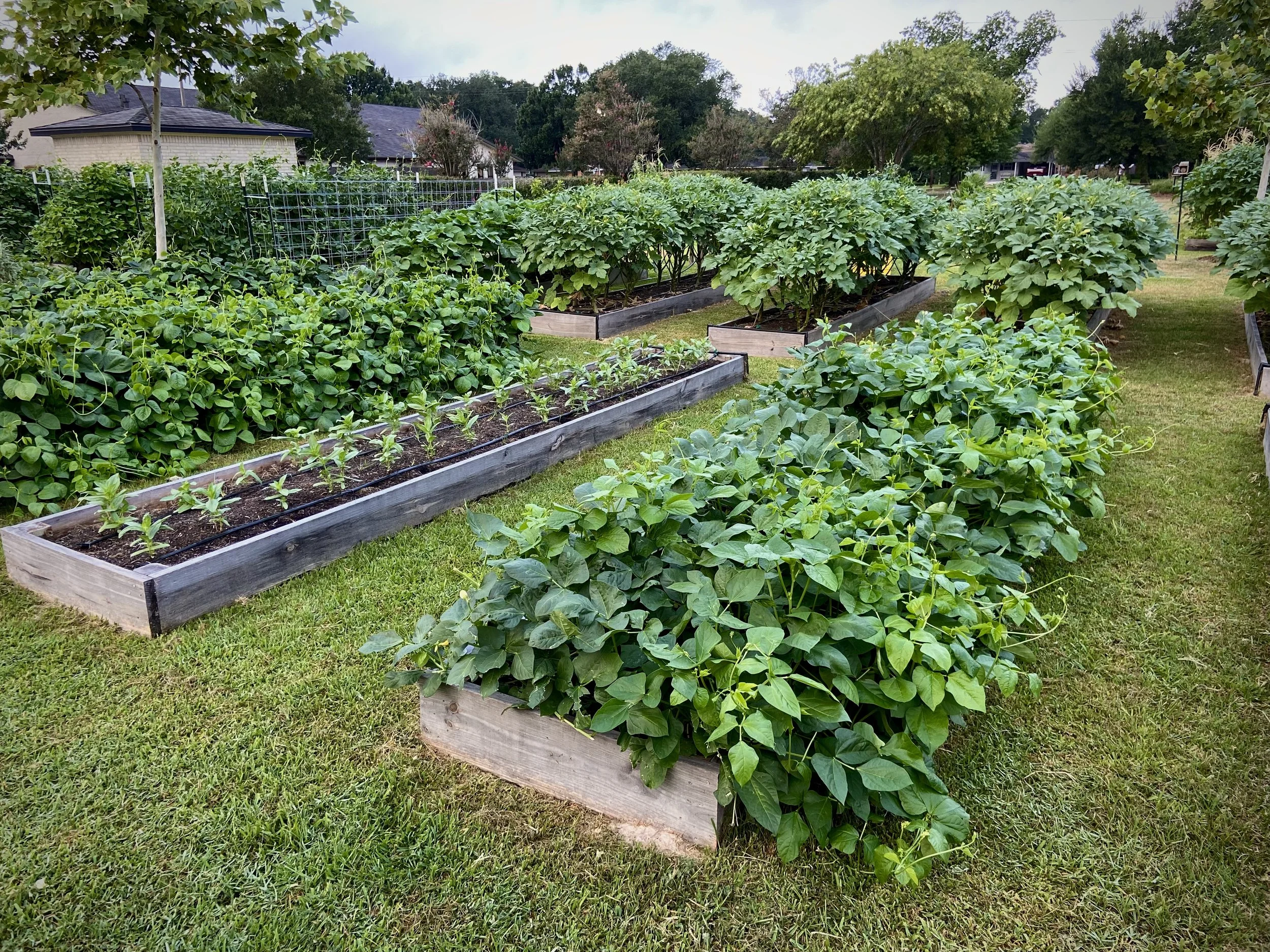
A community garden, by definition, is a shared space organized for growing food, often divided into plots and managed through participation. But what is being cultivated here is something different. While it may resemble that model on the surface, the foundation underneath is not centered on access, activity, or production. It is centered on formation.
This is not a place built around volunteering, programs, or filling space with well-intentioned effort. It does not exist to meet expectations or create opportunities for involvement. It exists whether people show up or not. And that alone begins to confront something in us. We are used to being needed, to being asked, to being given a role. Here, that is removed.
Without the pressure to contribute, something more honest is exposed. Many arrive wanting to help, but not wanting to be formed. Wanting to feel useful, but not willing to stay long enough to be changed. When there is no immediate ask, no structure to hide behind, it becomes clear who is willing to remain and who is only passing through.
This is where the shift begins. Contribution is no longer the entry point. Presence is. And over time, those who stay begin to move differently. Not out of obligation, but out of alignment. The work becomes a response to what is being revealed, not a task to be completed. Responsibility is not assigned, it is grown into.
What looks like a garden is actually a filter. It quietly reveals what we are carrying and what we are unwilling to release. It exposes our need for control, recognition, and structure. And for those willing to stay, it begins to reorder those things. Not quickly, not forcefully, but steadily. This is not a community garden. It is a place where people are reintroduced to how life actually works—and where only what is real continues to take root.
May in the Garden
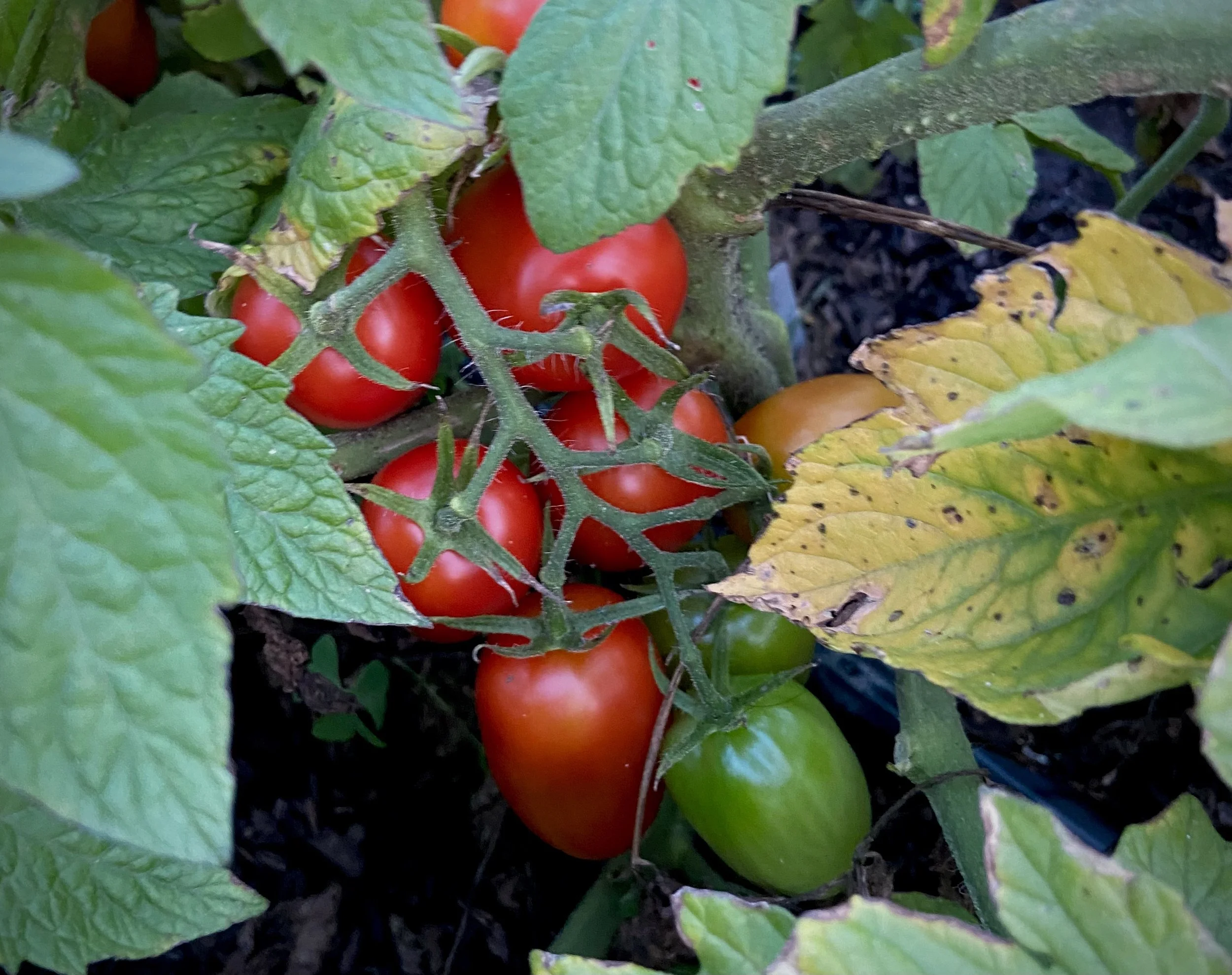
May in Katy and West Houston is where the garden begins to reveal what the spring has been quietly building. The days stretch longer, the heat starts to settle in, and everything that was once tender and uncertain begins to commit. Tomatoes move from flowering into full fruit set, then almost overnight, you start seeing that first blush of red. Peppers follow closely behind, shifting from small green forms into something more substantial. Cucumbers begin to climb and produce with urgency, almost as if they know the window is short. This is a month of reward, but also of attentiveness, because the same heat that ripens can just as quickly overwhelm.
You can feel the transition in the soil as much as in the air. Moisture becomes more fleeting, and roots are asked to go deeper or suffer the consequences. Well-established plants hold steady, while anything shallow begins to show stress by midday. This is where the earlier work matters. Mulch, spacing, and soil health start paying dividends. Harvests begin to come in more regularly, not in overwhelming abundance yet, but in a steady rhythm that invites you back each day to notice, to pick, to participate.
At the same time, there is a quiet anticipation building for what comes next. May is the doorway into true summer crops. Melons are ready to be planted into warm soil that will carry them forward without hesitation. Okra belongs here, not just surviving but thriving in the heat that will follow. Cowpeas, including black-eyed peas, step in as both provision and restoration, fixing nitrogen while producing through the toughest part of the season. These are not backup crops. They are aligned crops, built for what Houston becomes.
There is a tension in May that is worth paying attention to. On one hand, you are harvesting the fruit of what was started weeks ago. On the other, you are planting into a future that demands resilience. The garden holds both at once. Ripening and beginning. Enjoying and preparing. If you move slowly enough, you can feel it. The shift from trying to make something grow into learning how to walk with what is already ready to live here.