Not a Community Garden
The Difference Between Community Gardens and Formation Communities Attached to a Garden
By Josh Singleton | Founder, serving as Lead Cultivator, The Neighborhood Garden Project
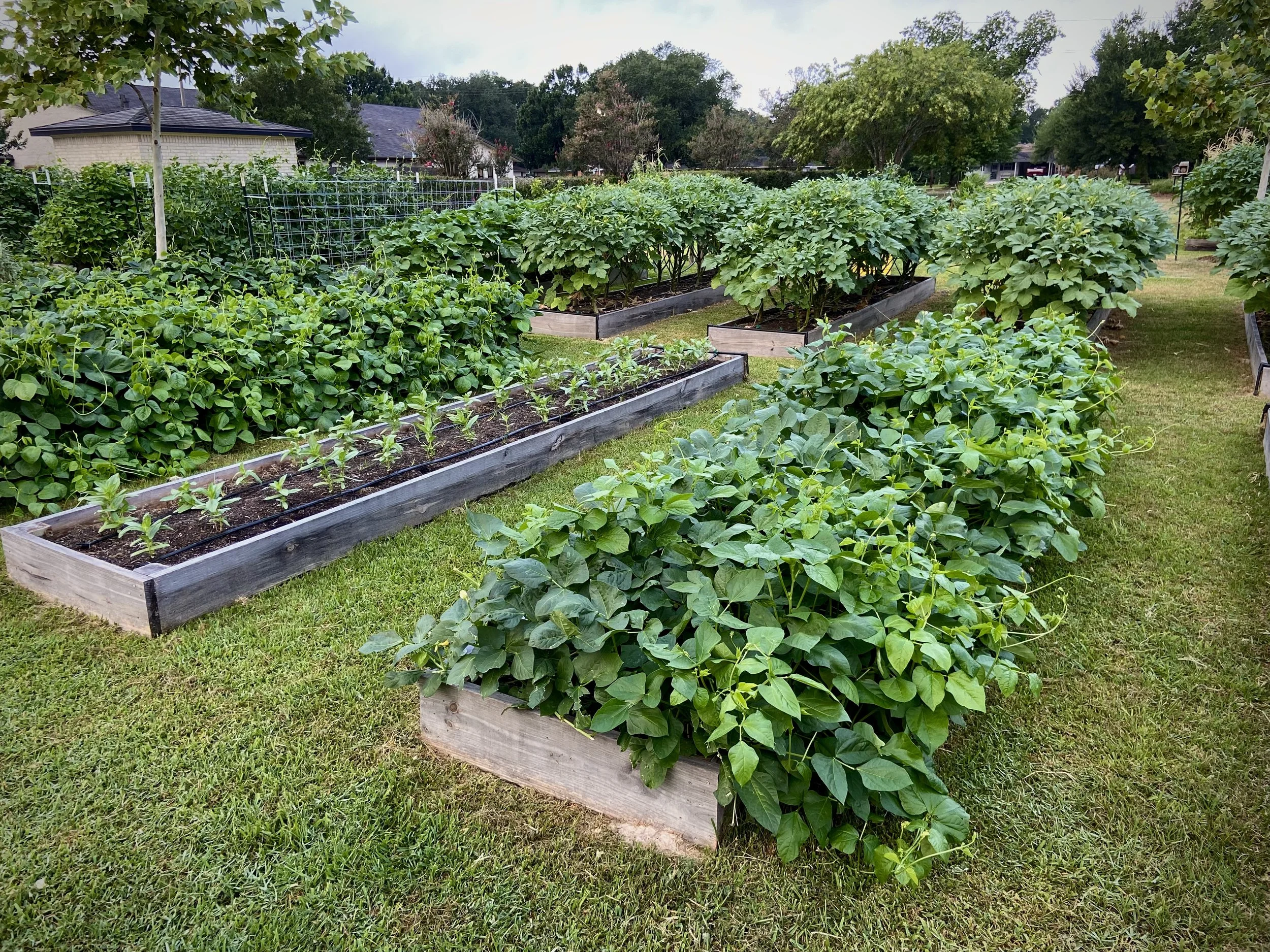
There is a common assumption about community gardens.
Most people understand them as shared growing spaces:
Raised beds
Volunteers
Food production
Occasional gatherings
Seasonal activity
These gardens often serve a meaningful purpose.
They bring people together.
They provide access to fresh food.
They create shared space.
But The Neighborhood Garden Project is not building community gardens.
We are cultivating formation communities attached to a garden.
This is not a subtle distinction.
It changes the purpose, structure, leadership, and rhythm of everything.
The Garden Is Not the Goal
In a traditional community garden, the garden itself is the goal.
The focus is:
Growing food
Maintaining plots
Hosting events
Recruiting volunteers
In a formation community, the garden is not the goal.
The garden is the environment.
It becomes:
A place to return
A place to slow down
A place to work side by side
A place where relationships naturally form
The plants are important.
But the people are the focus.
The garden becomes the setting where formation happens.
Volunteers vs. Stewardship
Most community gardens rely primarily on volunteers.
Volunteers are essential in many spaces.
But volunteers typically:
Come occasionally
Participate when available
Contribute in short windows of time
Are not responsible for long-term continuity
This creates a rhythm that is often:
Inconsistent
Event-driven
Dependent on enthusiasm
Vulnerable to decline
Formation communities operate differently.
Formation requires:
Consistency
Presence
Relationship
Time
This is where Garden Stewards come in.
Garden Stewards are not simply maintaining the garden.
They are:
Holding the space
Welcoming people
Building relationships
Noticing patterns
Walking with individuals over time
They provide the consistent presence that formation requires.
Without stewardship, a garden remains a space.
With stewardship, a garden becomes a community.
Programming vs. Presence
Community gardens often rely on programming:
Volunteer days
Workshops
Events
Seasonal gatherings
Programming can bring people in.
But formation rarely happens through programming alone.
Formation happens through:
Repetition
Returning
Shared experience
Time spent together
Formation communities prioritize presence over programming.
Rather than asking people to attend events, we create spaces people return to naturally.
Over time:
Familiar faces become relationships
Relationships become trust
Trust creates space for growth
This is slow work.
But it is lasting work.
Participation vs. Formation
Community gardens often measure success by participation:
Number of volunteers
Number of beds
Number of events
Amount of food grown
Formation communities look for different indicators:
People returning consistently
Relationships deepening
Individuals stepping into responsibility
Leadership emerging organically
These things are harder to measure.
But they reflect deeper change.
Participation can be temporary.
Formation creates lasting impact.
Production vs. Relationship
In many community gardens, the focus is on production:
How much food was grown
How many beds were filled
How productive the space was
In formation communities, production is secondary.
The focus is relationship:
Relationship with the land
Relationship with one another
Relationship with responsibility
Relationship with growth
Food still grows.
But the deeper harvest is people.
Activity vs. Continuity
Community gardens often experience cycles:
Excitement at the beginning
Strong early participation
Gradual decline
Difficulty sustaining momentum
Formation communities prioritize continuity.
Garden Stewards create:
Stability
Familiarity
Trust
Long-term presence
This continuity allows the community to deepen over time rather than restart each season.
The Garden as a Living Teacher
In a formation community, the garden itself becomes a teacher.
People begin to notice:
Seasons
Growth cycles
Patience
Failure and recovery
The garden slows people down.
It creates shared experience.
It invites responsibility.
This is where formation naturally begins.
Not through instruction.
But through participation.
Why This Distinction Matters
Understanding this difference changes expectations.
We are not building gardens that rely on volunteers and programming.
We are cultivating formation communities grounded in:
Presence
Relationship
Stewardship
Continuity
The garden provides the environment.
Garden Stewards provide the presence.
And over time, people are formed.
When people are formed, communities deepen.
And when communities deepen, life begins to multiply.
This is not a community garden.
This is a formation community attached to a garden.