Wild Passionflower: A Prairie Builder
Deep Roots, Butterflies, Fruit, and the Quiet Work of Restoration
By Josh Singleton | Founder, serving as Lead Cultivator, The Neighborhood Garden Project
It often appears quietly.
No planting.
No planning.
No announcement.
One day, it’s simply there, emerging from the prairie floor, weaving itself into the life that’s already unfolding.
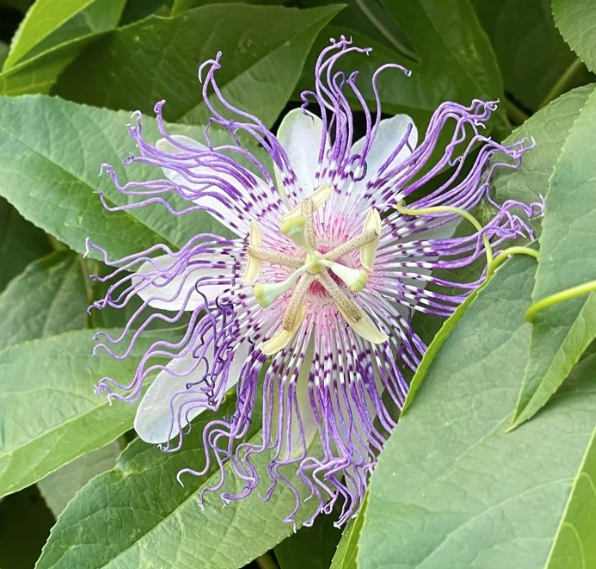
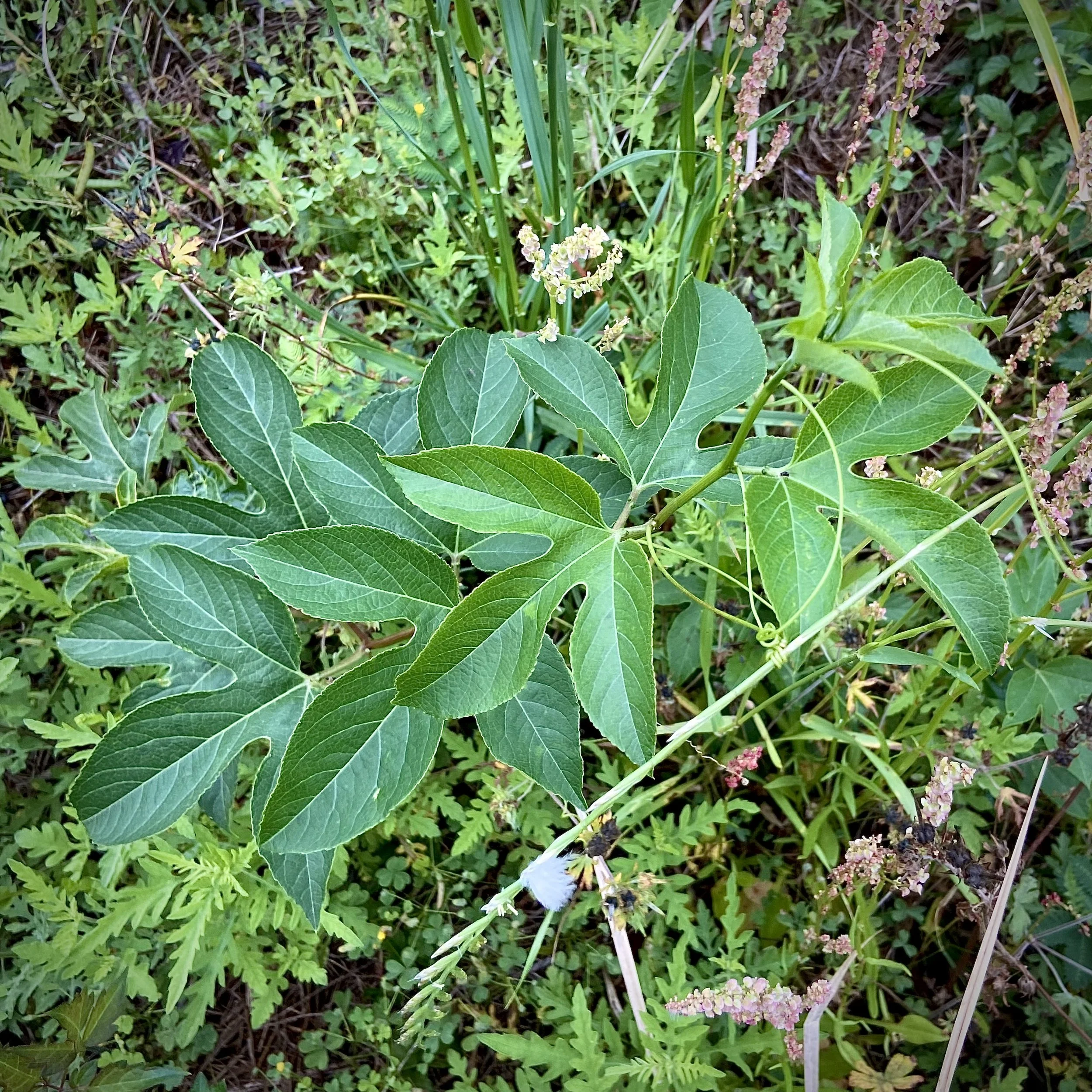
The wild passionflower, Passiflora incarnata, also known as Maypop, is one of the most remarkable native plants in the southern United States. And when it shows up naturally, it is often a sign that a living ecosystem is beginning to take shape.
This is not just another prairie plant.
This is an ecosystem builder.
A Plant Designed for Relationship
Wild passionflower doesn’t grow in isolation. It grows in cooperation.
Unlike aggressive vines that dominate and overwhelm, passionflower gently moves through the surrounding plants, using them as natural supports. It creates vertical structure without destroying what already exists.
This matters more than it may appear.
Vertical diversity increases habitat.
Habitat increases life.
Life increases resilience.
In a prairie or garden, wild passionflower becomes part of a layered system:
Groundcover below
Prairie plants surrounding
Passionflower weaving through
Pollinators moving between layers
This is how living systems grow, not through control, but through cooperation.
A Keystone Plant for Butterflies
One of the most important roles of wild passionflower is that it serves as a host plant for several butterfly species, including:
Gulf Fritillary
Variegated Fritillary
Zebra Longwing (in southern regions)
These butterflies do not just visit the plant. They depend on it.
Female butterflies lay eggs on the leaves.
Caterpillars hatch and feed exclusively on passionflower foliage.
The plant becomes nursery, food source, and shelter all at once.
Without wild passionflower, these butterflies cannot reproduce.
This is what makes the plant so powerful. It doesn’t just feed pollinators. It creates the next generation.
One of the Most Extraordinary Flowers in North America
When wild passionflower blooms, it stops people in their tracks.
The flower is intricate, layered, and symmetrical, with purple and white filaments radiating outward like a living crown. Each bloom typically lasts only one day, but the plant produces many flowers over time.
These flowers attract:
Native bees
Butterflies
Beneficial insects
Pollinators of all kinds
The bloom is not just beautiful. It is functional. Every detail is designed to attract life.
The Fruit: Maypop
After flowering, wild passionflower produces fruit known as Maypops.
These small green fruits mature to yellow and eventually wrinkle slightly when fully ripe. Inside is a sweet, tropical-flavored pulp that resembles commercial passionfruit.
But beyond flavor, Maypops are also surprisingly nutritious.
Wild passionfruit typically contains:
Vitamin C — supports immune function and skin health
Vitamin A — supports eye health and immune function
Dietary Fiber — supports digestion and gut health
Magnesium — supports muscle and nerve function
Potassium — supports hydration and heart health
Antioxidants — helps reduce oxidative stress
The pulp is refreshing, lightly sweet, and often compared to tropical passionfruit. Children often discover them first, finding them scattered across the prairie floor in late summer.
Wildlife benefits include:
Birds eating ripe fruit
Small mammals feeding on fallen fruit
Insects utilizing the sugars
The fruit feeds the ecosystem, not just the individual.
Deep Roots, Strong Soil
Wild passionflower also plays an important role underground.
It develops deep, spreading root systems that:
Stabilize soil
Improve soil structure
Increase microbial life
Build long-term resilience
Like many prairie plants, the most important work is happening below the surface. As roots move deeper, the soil becomes more alive and more capable of supporting diversity above ground.
Medicinal and Historical Use
Wild passionflower has been used traditionally for centuries as a calming herb. Indigenous communities and early herbalists used the leaves and flowers for:
Nervous system support
Sleep assistance
Stress reduction
Mild anxiety relief
This adds another layer of benefit to an already remarkable plant.
A Sign of a Living System
Perhaps the most meaningful part of wild passionflower is how it often appears.
It shows up where life is being restored.
It emerges where disturbance has softened.
It arrives where ecosystems are beginning to heal.
This is how nature responds when space is made for life.
Wild passionflower does not demand control.
It responds to invitation.
And when it arrives, it brings:
Butterflies
Pollinators
Fruit
Habitat
Soil health
Beauty
All from one quiet vine weaving its way through the prairie.
The wild passionflower is not just growing.
It is helping the entire system become more alive.