The Precision of Darkness
How Night Length Governs Readiness in Plants and People
By Josh Singleton | Founder, serving as Lead Cultivator, The Neighborhood Garden Project
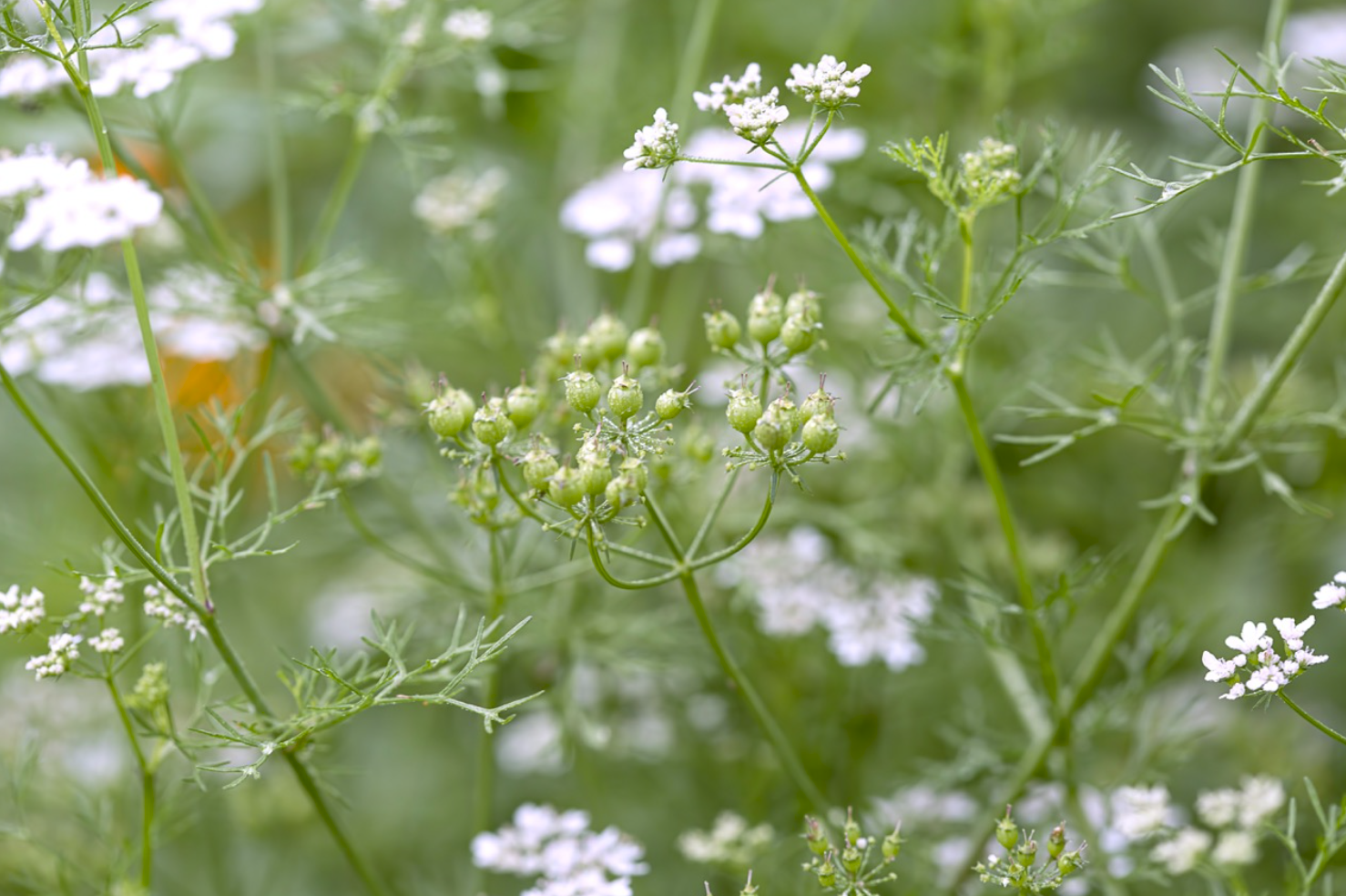
Photoperiod is one of the most precise signals in the living world. It refers to the length of daylight and darkness within a twenty four hour cycle. What matters most is not how long the sun is present, but how long darkness is allowed to remain uninterrupted. Plants measure this with astonishing accuracy, using internal clocks and light sensitive proteins that reset every evening. When night reaches a specific duration, something changes. Sometimes the difference is only minutes, yet those minutes can determine whether a plant remains vegetative or begins to flower, whether it stores energy or spends it, whether it waits or moves.
Humans are built on the same logic. We also carry internal clocks that do not respond primarily to effort or exposure, but to rhythm, and more specifically to darkness. The human body tracks night length through the circadian system, coordinated by a central clock in the brain and echoed by peripheral clocks in nearly every organ. These clocks are not symbolic. They regulate hormone release, metabolism, immune activity, body temperature, digestion, and cellular repair. Like plants, the body is not asking how productive the day was. It is asking whether the night was long enough to complete its internal work.
Darkness is not absence. It is instruction. When light fades and remains absent, the brain increases production of melatonin, a hormone that signals it is safe to shift from outward engagement to inward repair. Melatonin does not merely induce sleep. It coordinates timing across systems, telling cells when to repair DNA, when to reduce inflammation, when to conserve energy, and when to synchronize with one another. This process unfolds gradually over the night. It requires continuity. Fragmented darkness produces fragmented repair.
At the same time, cortisol, the hormone associated with alertness and stress response, follows an opposing rhythm. In a well aligned system, cortisol is lowest during deep night and rises toward morning, preparing the body to re enter the day. When darkness is shortened or interrupted, this rhythm flattens or shifts. Cortisol may remain elevated at night or spike at inappropriate times. The result is not simply poor sleep. It is mis timing across the entire system, affecting mood regulation, blood sugar control, immune response, and cognitive clarity.
Every major system in the body depends on this timing. The liver processes glucose differently at night than during the day. Muscle tissue repairs more efficiently during deep sleep stages. The brain clears metabolic waste through increased cerebrospinal fluid flow that occurs primarily during sustained darkness. Memory consolidation depends on sleep architecture that unfolds in cycles across the night, not in brief or interrupted intervals. These processes are not interchangeable with daytime rest. They are night specific.
Artificial light interferes with this precision in measurable ways. Exposure to blue wavelength light in the evening suppresses melatonin production, delays sleep onset, and shifts circadian phase. Even low levels of ambient light can alter hormone timing if exposure is consistent. The body does not adjust by becoming more resilient. It adapts by changing its baseline. Over time, this adaptation shows up as chronic fatigue, increased inflammation, metabolic dysregulation, and heightened nervous system reactivity. The body remains active but under repaired.
Like flowering in plants, major human outputs are costly and irreversible in the short term. Sustained leadership, creativity, emotional regulation, and relational presence draw deeply from physiological reserves. When those reserves are not replenished through complete night cycles, performance may continue, but capacity narrows. Decision making becomes reactive. Attention fragments. Emotional thresholds lower. The body is not failing. It is conserving under conditions of incomplete restoration.
This is why readiness in the human body cannot be forced. No amount of stimulation can replace rhythmic repair. No productivity strategy can override circadian biology without consequence. Just as plants wait for darkness to prove itself consistent before they flower, the human body waits for night after night of sufficient darkness before it releases its full capacity. One good night does not reset the system. Trust is built through repetition.
The garden demonstrates this without commentary. No plant accelerates its internal clock to meet demand. No root rushes because conditions look favorable for a moment. The system waits until timing aligns across internal signals. When it does, the shift is quiet and stable.
Human physiology follows the same rule. Growth follows rhythm. Capacity follows repair. Transformation is not produced under exposure, but under darkness that is uninterrupted long enough to finish its work.