The Garden Is the Great Equalizer
What happens when people find the garden instead of being invited to it
By Josh Singleton | Founder, serving as Lead Cultivator, The Neighborhood Garden Project
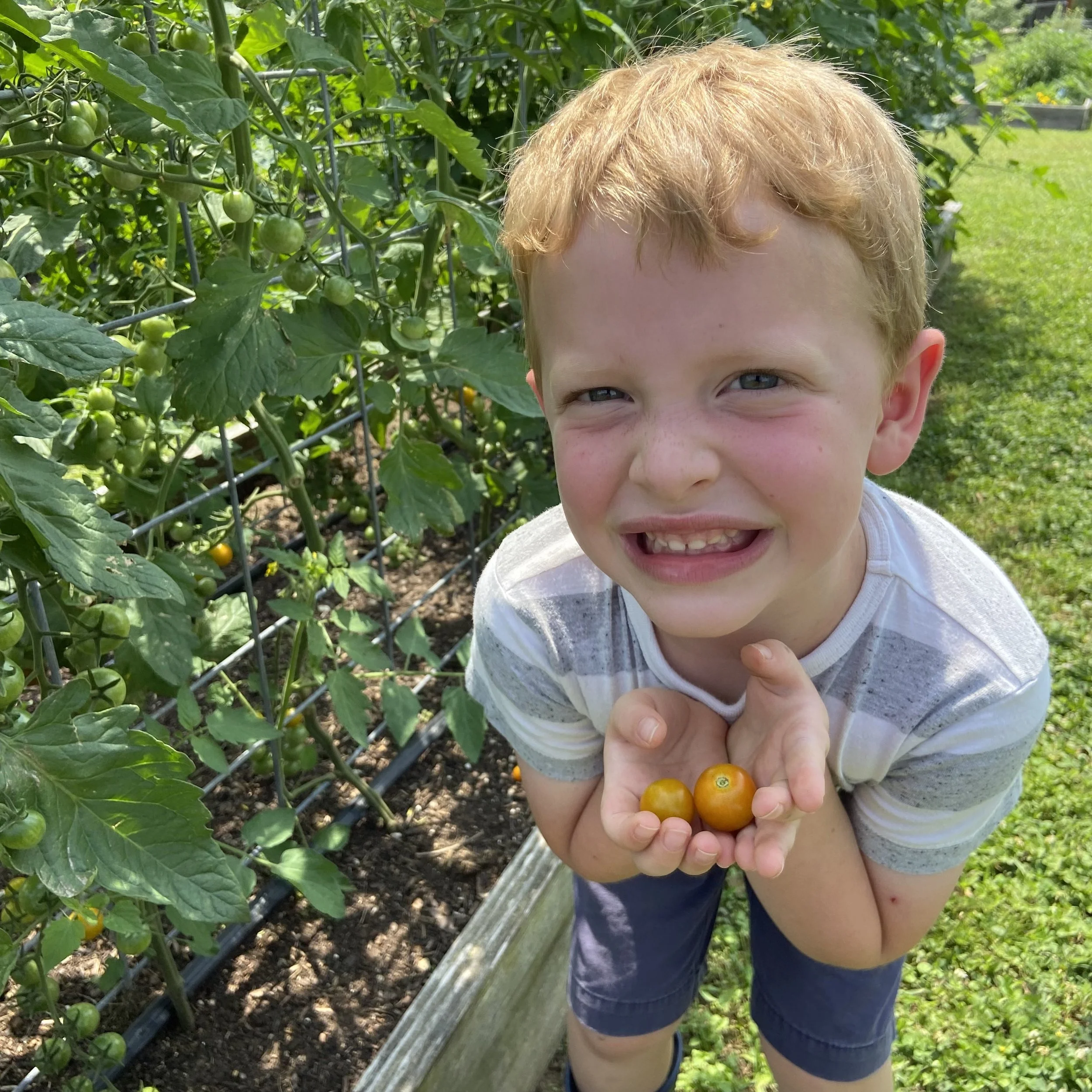
Every once in a while I catch myself pausing in the garden and realizing what is happening.
Not the obvious things like tomatoes ripening or beds being weeded, but the deeper reality unfolding around it. People talking quietly under a tree. Someone kneeling in the soil for the first time. A child holding a worm like they just discovered a hidden world.
In those moments I sometimes have to stop and almost step outside myself for a second. Because the realization settles in that God saw fit for my life to be spent cultivating people through the soil.
And the strange thing is that the more time I spend in the garden, the less impressive the work feels. The soil has a way of stripping away illusions.
The garden makes everyone human again.
It is the great equalizer.
The first thing the garden teaches is that the soil does not care who you think you are. It does not care about credentials, titles, or accomplishments. It does not respond to professional status or personal reputation.
The soil responds to something much simpler.
Humility.
Patience.
Attention.
If you tend carefully and remain patient, the soil produces life. If you rush, neglect, or attempt to force things, the soil quietly resists. No amount of expertise can bypass that relationship.
Everyone who kneels in the soil eventually discovers the same truth. We are not in control of life. We are participants in it.
This is exactly how the human story begins in the opening chapters of the Book of Genesis. Humanity is formed from the dust of the ground and placed into a garden to steward life. Work was never meant to be performance. It was meant to be partnership with the living world around us.
The garden simply reminds us of that design.
When people put their hands in the soil, something shifts. Their breathing slows. Their shoulders relax. Conversations become unhurried. The pressure to prove something begins to fade.
People begin to feel human again.
One of the most important choices we have made in the garden is something that surprises many people.
We do not invite the public.
In most modern environments invitations are considered essential. Outreach, recruitment, and volunteer calls are seen as signs of hospitality and engagement. But invitations quietly create something else beneath the surface.
The moment invitations begin, roles appear.
Someone becomes the host.
Someone becomes the organizer.
Others become the participants.
Even with the best intentions, the structure subtly changes the posture of the space. One person is leading while others are responding. Someone performs leadership while others perform participation.
The ground is no longer level.
In the garden we have chosen a different posture, especially at the beginning. The garden simply exists. The beds are tended. The soil is cared for. The gate is open.
If someone comes, they come willingly.
No one recruited them. No one summoned them. No one scheduled them to appear.
They simply found their way there.
And that changes everything.
Instead of saying, “I was invited here,” the deeper truth becomes, “I felt drawn here.”
People arrive with curiosity rather than obligation. They are not attending someone else’s event or responding to someone else’s agenda. They are stepping into an environment that already exists.
That keeps the ground level.
I am not hosting them.
They are not attending me.
We are simply standing in the same soil together.
Sometimes someone stays for an hour. Sometimes for several hours. Sometimes they disappear for months and return later as if no time has passed.
This kind of rhythm does not make sense in programmatic environments. Programs depend on schedules, attendance, and measurable engagement.
But ecosystems work differently.
A forest does not invite birds to return each spring. The forest simply remains a forest. When the conditions are right, the birds return.
The garden operates much more like an ecosystem than an organization.
People arrive when they are ready. They stay as long as they need. They leave when life pulls them elsewhere. Sometimes they return months later.
Nothing was scheduled. Nothing was forced.
The soil simply remained faithful.
This does not mean the garden never asks for help.
Relationship changes things.
Over time people become familiar faces. Conversations deepen. Trust forms. Shared experiences accumulate. The garden stops being a place they visit and begins to feel like a place they belong.
At that point something natural begins to happen.
Work emerges.
A bed may need rebuilding. A trellis may need repairing. A large project may require many hands. When those moments come, I may ask someone if they want to help.
But this is not recruitment.
It is relationship.
The difference matters.
We do not summon the public to fill tasks. But when people have walked alongside the garden long enough to become part of its life, shared work becomes a natural extension of relationship.
The invitation is no longer institutional.
It is relational.
And because the relationship already exists, the equal ground remains.
The most remarkable thing to witness is what happens inside people over time.
Someone might arrive tense, guarded, and carrying the pressure of the world. Within an hour their posture softens. Their breathing slows. Their body relaxes.
It is as if the soil is reminding them of something ancient.
You are human.
You are not your job.
You are not your performance.
You are not your productivity.
You are a living being designed to participate in life.
In a culture built around constant pressure and constant proving, the garden quietly offers something different. It offers a place where people do not have to prove themselves.
They can simply be.
And strangely, that is where transformation begins.
Over time it becomes clear that the garden is not primarily about growing food.
Food is simply the visible layer.
The deeper work is cultivation.
People rediscover patience. They begin asking better questions about their lives. They notice the rhythms of nature and start wondering how those rhythms might apply to their own hearts.
Some realize they have been living disconnected from themselves for years.
Others rediscover joy in the simple act of tending something alive.
None of this can be scheduled. None of it can be forced.
Just like seeds in the soil, transformation happens quietly beneath the surface.
Every once in a while I step back and watch the garden for a moment.
People moving through the beds. Conversations unfolding under the trees. Someone harvesting their first tomato. A child kneeling in the soil discovering a worm.
In those moments it becomes obvious that something deeper is happening.
The garden is doing what gardens have always done.
It is reminding people who they are.
Human beings formed from the earth, invited into the work of cultivating life.
And in a world constantly dividing people by status, achievement, and identity, the soil offers something far more honest.
Equal ground.
The garden does not ask anyone to perform belonging.
It simply reminds them that they already belong.