Sometimes It Takes Years to Walk the Garden
How understanding slowly emerges when people finally step inside the soil
By Josh Singleton | Founder, serving as Lead Cultivator, The Neighborhood Garden Project
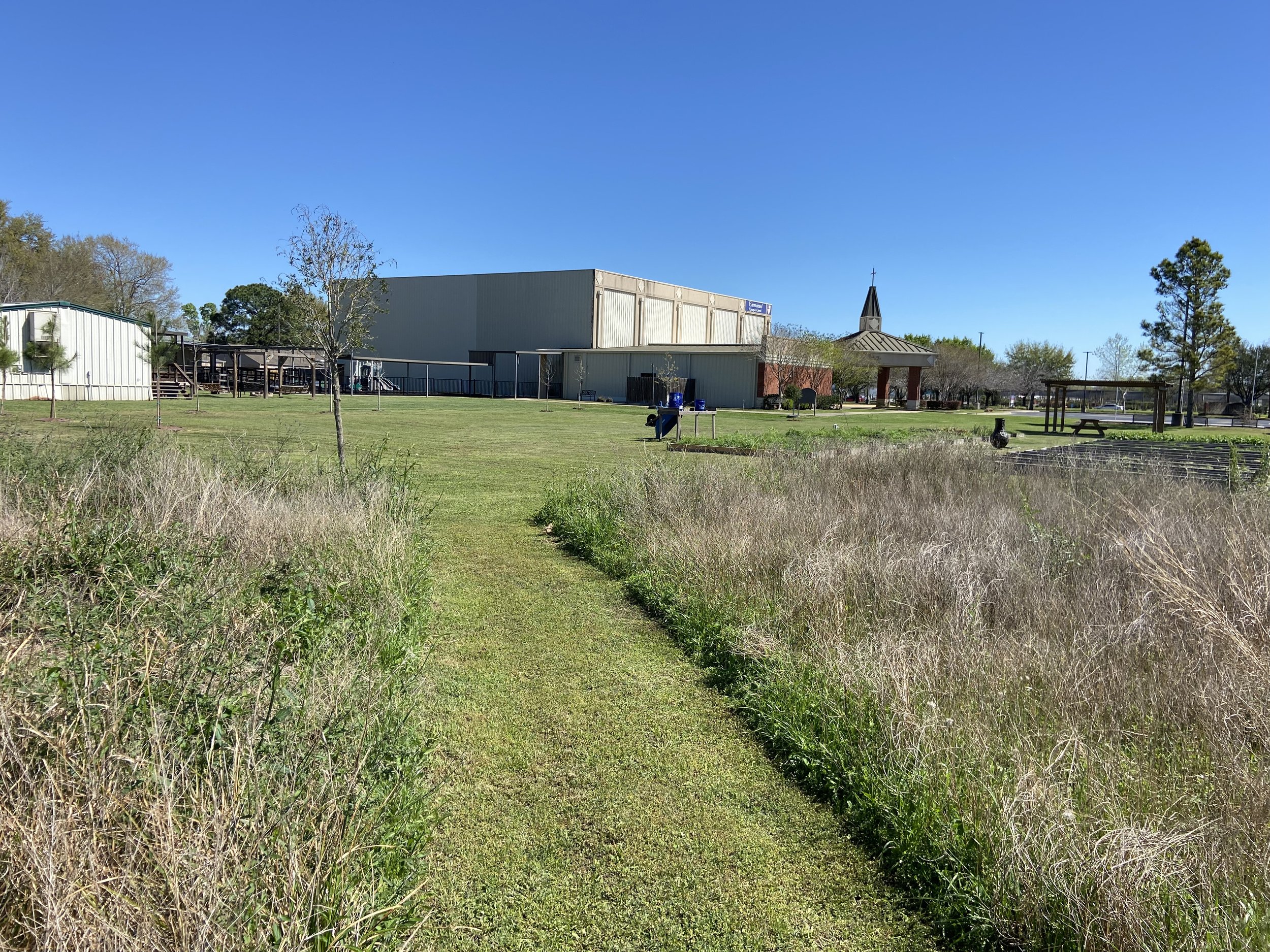
One of the quiet realities of the garden is that people can live beside it for years without ever truly seeing it.
At our second garden location, the beds have been growing for two years. People pass by the space regularly. They know it exists. They know vegetables grow there. They know it is part of the church property. But knowing a garden exists and understanding why it is there are two very different things.
Today a woman from the church walked through the garden for the first time.
For two years the garden had been sitting just outside the church doors. Yet this was the first time she had stepped into it.
We spent about an hour and a half slowly walking the space. We talked about soil. We looked at plants and insects. We discussed why the garden is designed the way it is and how the different parts of the system support one another.
At one point she paused and said something simple.
“I understand now why the garden is here.”
Nothing about the garden had changed in that moment.
The beds were the same.
The plants were the same.
The insects were doing the same work they had always been doing.
What changed was that she had finally walked inside it.
From the outside, a garden often looks simple. Raised beds. Vegetables. People gardening. But the deeper layers only reveal themselves through presence.
Pollinators move between flowers.
Soil slowly rebuilds.
Different plants support one another.
Life grows with life.
The garden reveals itself slowly. It cannot really be understood in passing. It has to be walked.
From the beginning, the focus of The Neighborhood Garden Project has been human formation through the garden. The goal was never simply to grow food. The goal was to create a place where people could spend time working with soil, plants, insects, and seasons and rediscover their place within the living world around them.
The garden becomes the teacher.
People plant seeds.
They pay attention to the soil.
They watch insects move between flowers.
They begin to notice the rhythm of seasons.
Over time something begins to change.
But the most surprising changes are not always in the soil.
They happen in the people.
Time slows down. Conversations deepen. Curiosity awakens. Many people who spend time in the garden begin to rediscover something they had forgotten. They are not separate from the living world around them. They are participants within it.
Another interesting moment happens when people from the surrounding neighborhood wander into the garden.
They usually ask a simple question.
“Is this for the church?”
When we tell them the garden is open to everyone, the next question often follows.
“So the church members garden here?”
When we explain that very few parishioners participate, their jaws usually drop.
Most people assume that if a garden sits on church land, the congregation must be actively involved.
But something interesting happens when a space exists outside the normal structure of church life.
Inside the church walls, people know their roles. There are services, ministries, committees, and responsibilities that help define how participation works.
The garden is different.
There are no programs to join.
No roles to perform.
No expectations to meet.
It is simply a place where people can show up, work with the soil, and be human together.
For many people, that kind of open space can feel unfamiliar at first.
This pattern becomes even more noticeable when looking at our first garden location.
We have been stewarding that space for three and a half years. During that time, we have not yet walked consistently through the garden with any parishioner from that church.
The garden is visible.
People know it is there.
But very few have stepped inside long enough to begin seeing what it is.
At first this felt surprising.
Over time it has become more understandable.
The garden does not summon participation. It simply exists.
One of the reasons the garden works so well is its simplicity. A garden does not require complex systems or specialized programs. It simply requires a piece of land, people willing to pay attention, and time.
Many churches already have these ingredients.
Across dioceses and communities, church properties often contain underused land. These spaces can quietly become places where people gather, work together, and reconnect with the living world.
There is also something deeply biblical about this simplicity.
In Genesis, humanity’s first responsibility was simple.
Tend the garden.
Keep it.
The task was not global. It was local. People were given a place and asked to care for it.
Gardens allow people to return to that beginning.
Instead of starting with the problems of the whole world, people start with the soil beneath their feet.
Moments like the one today reveal something important.
For two years the garden had been quietly growing just outside the church doors.
It did not advertise itself.
It did not pressure anyone to participate.
It simply remained.
And after one slow walk through the space, the purpose became clear.
“I understand now why the garden is here.”
The garden had not changed.
Her ability to see it had.