Participants in Creation
Relearning the Work Humanity Was Given Before There Were Jobs and Institutions
By Josh Singleton | Founder, serving as Lead Cultivator, The Neighborhood Garden Project
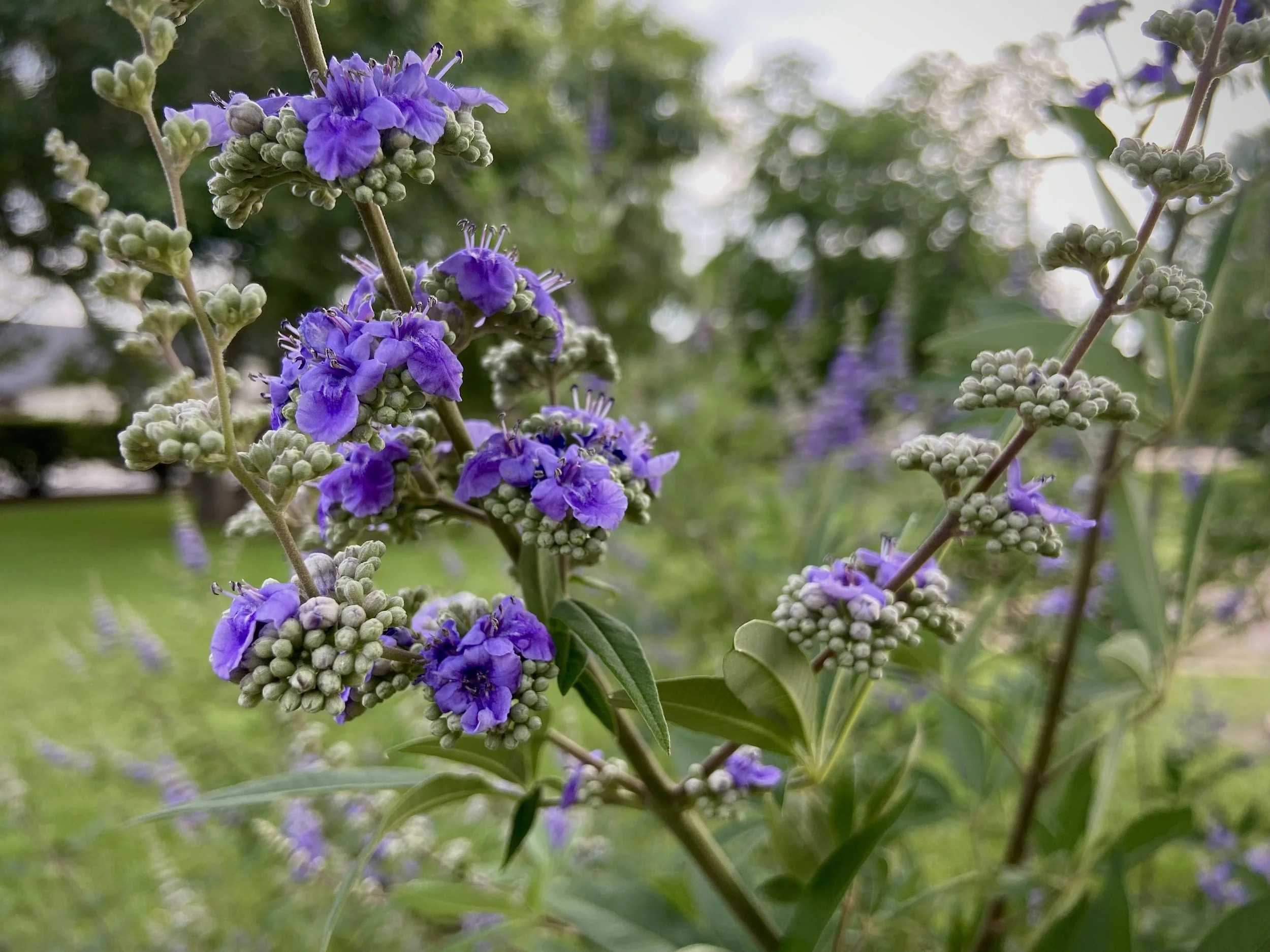
One of the clearest and most humbling truths I have learned from more than twenty years working in the soil is this:
Creation does not respond to our explanations.
It does not care about our intentions or motives.
It scans for life.
Seeds test the soil for moisture and warmth. Roots search for water, oxygen, and biological activity. Earthworms move toward organic matter. Pollinators seek nectar and diversity. Birds look for shelter and safety.
None of them ask for our credentials.
None of them read our strategic plans.
None of them care whether our motives are noble.
They respond to one question alone:
Does this environment increase the likelihood of life?
If the answer is yes, life moves in.
If the answer is no, life moves on.
This is one of the most reliable truths in all of ecology, and it reveals something essential about our own lives.
We Were Created to Participate in Creation
Human beings are not separate from creation.
We were formed from the dust of the earth and animated by the breath of God.
Before there were corporations, institutions, retirement accounts, and health insurance, there was a garden. In that garden, humanity was given meaningful work: to tend, to keep, and to participate with God in the cultivation of life.
This means our deepest role is not simply to hold jobs, earn wages, and maintain systems.
We were created to participate in the living system God sustains.
To observe what is alive.
To steward what has been entrusted to us.
To cultivate conditions where life can flourish.
When our work aligns with this original role, something in us begins to settle. We feel less like machines and more like human beings. Work becomes meaningful because it reconnects us to our created purpose.
Two Governments, Two Economies
The longer I live, the more clearly I see that we are navigating between two very different governments.
One is the government of the world system.
The other is the government of the Kingdom of God.
The world system is organized around scarcity, control, and dependency. It tells us that security comes from jobs, titles, retirement accounts, health insurance, and maintaining our place within established structures.
These tools can be useful, but they are often treated as ultimate sources of stability.
Yet they are remarkably fragile.
Jobs disappear. Markets shift. Institutions change. Policies are rewritten. Titles lose their meaning.
The most unstable force in many of our lives is often the very system we have been taught to trust.
By contrast, the living system God sustains is astonishingly stable and predictable.
Seeds germinate when conditions are right.
Roots grow toward water.
Soil becomes richer when covered.
Prairies regenerate.
Birds build nests.
Life continually reorganizes toward balance.
Two governments.
Two economies.
Two entirely different priorities.
One is built around control, scarcity, and dependency.
The other is built around trust, stewardship, relationship, and multiplication.
Human Beings Scan for Life Too
Because we are participants in creation, we are designed to recognize what is alive.
Deep within us is an ongoing and often unconscious search:
Is it safe here?
Can I breathe here?
Will I be valued?
Am I allowed to grow?
Can I fail without being discarded?
Is there enough here for me to become who I was created to be?
Our bodies, minds, and spirits are scanning for signs that life is present.
Most people would agree they want to follow what is alive.
But many have been trained to scan for something else:
Job security.
Retirement.
Health insurance.
Status.
Approval.
The preservation of what is familiar.
These concerns are understandable, but when they become our primary lens, they drown out the quieter but more truthful signals of life.
We begin organizing our lives around survival rather than participation, around maintaining systems rather than cultivating creation.
The Peace of a Living System
Yesterday, one of our co-stewards, who visits the garden every two or three weeks, said something simple but profound:
“It’s always encouraging to see the changes and growth from visit to visit.”
She was not expressing regret for being away.
She was not measuring her value by how often she showed up.
She was simply encouraged that life had continued.
What is beautiful is that she may not yet have a fully formed explanation of what she is experiencing.
But with each visit, she is learning how a living system functions.
The garden continues whether she is present or not.
Tomatoes ripen.
Cover crops expand.
Trees grow.
Soil becomes richer.
Relationships deepen.
Life unfolds.
And because of this, she is beginning to trust that she is not responsible for carrying the whole system.
She is free to participate according to the rhythm of her own life.
That realization brings tremendous peace.
The same is true in our relationship with God.
We are not the source of life.
We are participants in a life He is already sustaining.
Standing at the Threshold
I have experienced both sides of this tension.
I know what it is like to organize life around the promises of the system.
And I know what it is like to step into the quieter but far more stable reality of the living system God sustains.
Increasingly, I find myself choosing to flow where life is being sustained.
This has become my role: to stand faithfully at the threshold.
Not to control.
Not to convince.
Not to force people to enter.
But to bear witness.
To remain present.
To steward a living environment.
And to allow others to encounter, at their own pace, the remarkable stability of the living system God is sustaining.
Why Most Do Not Enter, and Why a Few Stay
Most people do not enter deeply, not because they reject the truth, but because they have spent very little time walking with a living system.
When they first encounter one, something in them recognizes it.
But recognizing life and reorganizing around it are two very different things.
To follow life often requires releasing the structures that once defined security.
For many, that feels too risky.
So they return to what is familiar.
And yet, there are always a few who stay.
These are the individuals willing to let their vision be retrained.
They begin to trust peace more than pressure.
Fruit more than appearances.
Presence more than performance.
Life more than false security.
Over time, they realize they are not simply learning how to garden.
They are relearning what it means to be human.
They are rediscovering their place within creation and their role in the living system God has sustained from the beginning.
More Than Food
Over time, The Neighborhood Garden Project has become much less about food production and much more about introducing people to a living system.
We still grow vegetables, fruit, flowers, trees, and prairie plants. Food remains an important expression of the work.
But food was never the ultimate point.
Food is one of many visible signs that life is functioning as God intended.
When the conditions for life are present, abundance follows.
Vegetables are harvested.
Birds nest.
Pollinators gather.
Soil regenerates.
People heal.
Relationships deepen.
Vision expands.
Food is one form of fruit, but it is not the root.
The root is alignment with the living system God has sustained since the beginning.
Our Posture at The Neighborhood Garden Project
This is the posture we hold at The Neighborhood Garden Project.
We are not trying to recruit people into a program.
We are stewarding living environments where people can re-enter creation and rediscover the role God designed for them.
The garden is not an escape from real life.
It is a return to real life.
Here, people begin to see that they are not machines designed merely to generate income and consume resources.
They are living beings created to participate in the cultivation of life alongside God.
As this understanding takes root, the whole system begins to rebalance.
Individuals heal.
Families change.
Churches see differently.
Communities become more resilient.
And the Kingdom of God becomes visible in practical, tangible ways.
Creation scans for life.
Human beings do too.
Most have been trained to trust fragile systems.
A few are willing to let their vision be retrained.
And those who do rediscover the remarkable peace of participating in the living system God has sustained all along.