February 2026
Meet a Family of the Garden…
Patricia first encountered the garden quietly, long before she ever contacted The Neighborhood Garden Project. For nearly two years, she returned week after week, observing, learning, and being formed simply by presence. When asked to reflect on what the garden and its community meant to her during that season, she shared the following:
I discovered the community garden one evening during a quiet walk. At that time, it was full of summer vegetables. There was a picnic table where I could sit, so I paused to meditate and take in the peaceful atmosphere. In that moment, the garden became a place of meditation. The simple act of sitting among growing things always grounds me, clears my thoughts, and brings me peace.
As I slowly walked through the garden, I studied the way everything was thoughtfully arranged—the raised beds, the trellises, and the archways. I was deeply intrigued. The garden spoke through its design, teaching without words. Each visit sparked ideas for my own raised beds at home, and for two years I returned every week, noticing how the garden shifted with the seasons. I carried those lessons home with me, trying new methods and honoring the wisdom I had observed. One day, I even brought my husband to show him the archway I dreamed of recreating in our own garden—an idea still patiently waiting to take root.
Eventually, my connection to the garden grew into a desire to learn more. When I reached out to the gardeners, they welcomed me generously, eager to share their knowledge. The community garden became not only a place to grow food, but a place to grow relationships—with the earth and with the people who tend it. Meeting fellow gardeners and witnessing their care for the land deepened my appreciation for knowing where my food comes from and trusting that it is truly organic. There is a quiet peace that comes from that connection, a reminder that tending the soil also tends the soul.
Resilient Soil Builds Resilient Communities
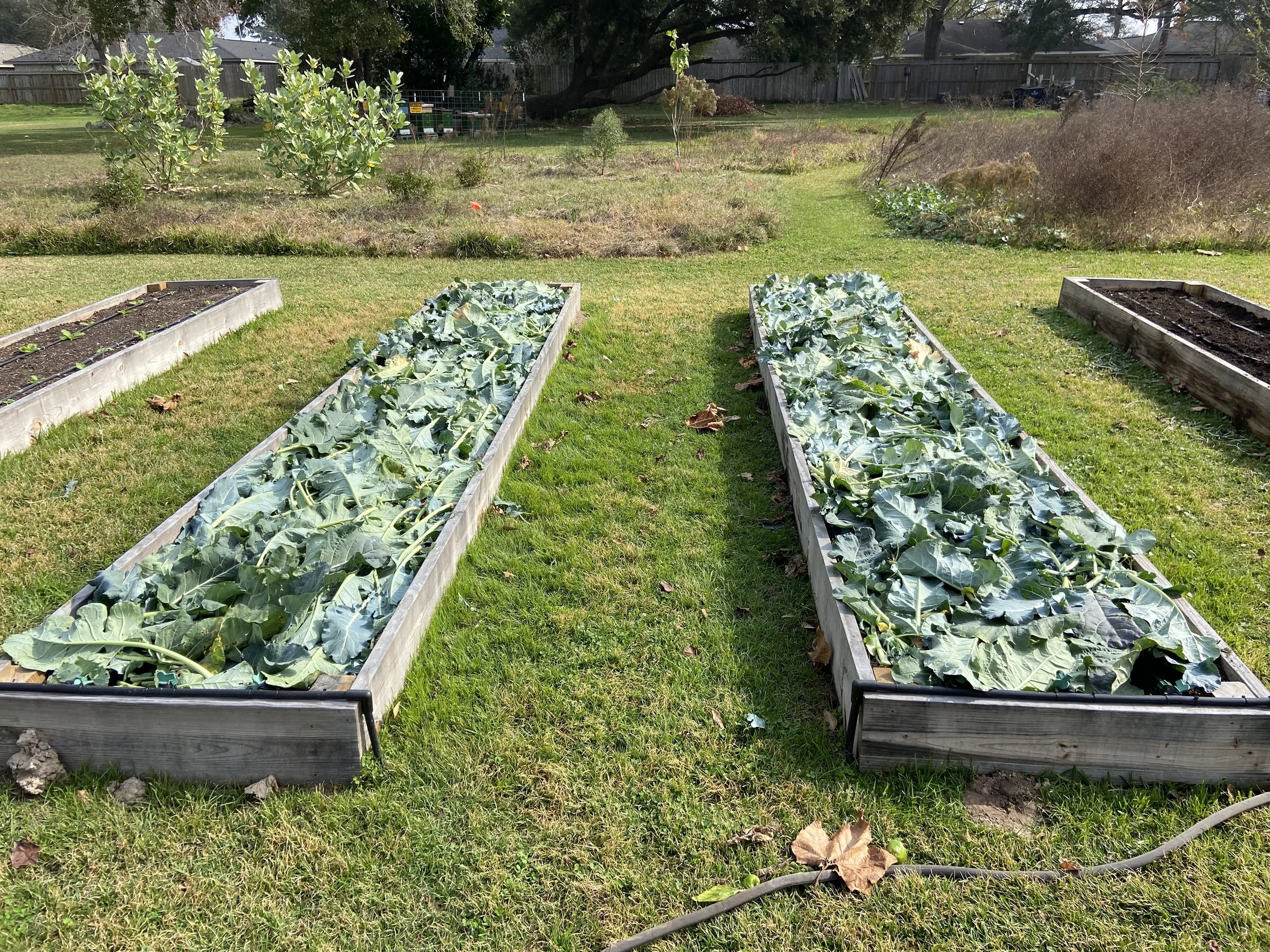
Resilience does not come from speed, programs, or clever systems. It comes from soil, from the slow and ancient place where God first formed life from dust and breath. Before strategies and institutions existed, there was ground. That origin still governs how life grows. Soil teaches patience, limits, and dependence in ways nothing else can. When communities lose touch with soil, they begin to believe growth can happen without time, without cost, and without relationship. That belief always produces fragility, even when activity looks strong on the surface.
Soil was the first classroom. It does not cooperate with urgency. You cannot negotiate with it or rush its internal work. Organic matter breaks down at its own pace. Microbial life multiplies only when conditions are right. Roots take time to explore, to form alliances, to create channels that future plants will depend on. The soil does not reward force. It responds to attention. Shortcuts always return later as erosion, depletion, or collapse. What is skipped in formation is paid for in repair.
The photo tells this story plainly. Broccoli leaves lie scattered across the soil, cut down at the end of their season and returned to the bed instead of being hauled away. The plants were not ripped out. Their roots remain underground, slowly decaying and feeding microbial life. What once stood upright is now laid down as cover, protecting moisture, moderating temperature, and becoming nourishment for what cannot be seen. This chop and drop practice looks inefficient to modern instincts, but it is how resilience is actually built. Nothing is wasted. Nothing is extracted beyond its time. The garden provides what the garden needs.
This restraint releases resources most systems never see. When roots are left in place and plant matter is returned to the soil, hidden work begins. Channels remain open. Microbial communities expand. Fertility increases quietly. What looks like limitation becomes provision. What looks like slowing down becomes depth. The soil reveals that life multiplies when we stop demanding more than a system can naturally sustain and instead allow what has finished its season to feed what comes next.
This same pattern reshapes community. When extraction stops, margin appears, not for expansion, but for presence. People are no longer treated as resources to optimize or problems to solve, but as neighbors invited to rest, belong, and contribute in season. Faithfulness, like soil health, is not measured by how much is produced, but by how carefully what has been entrusted is tended. As the soil becomes resilient through return and restraint, the community learns to do the same with one another.
What the Prairie Is Teaching Us
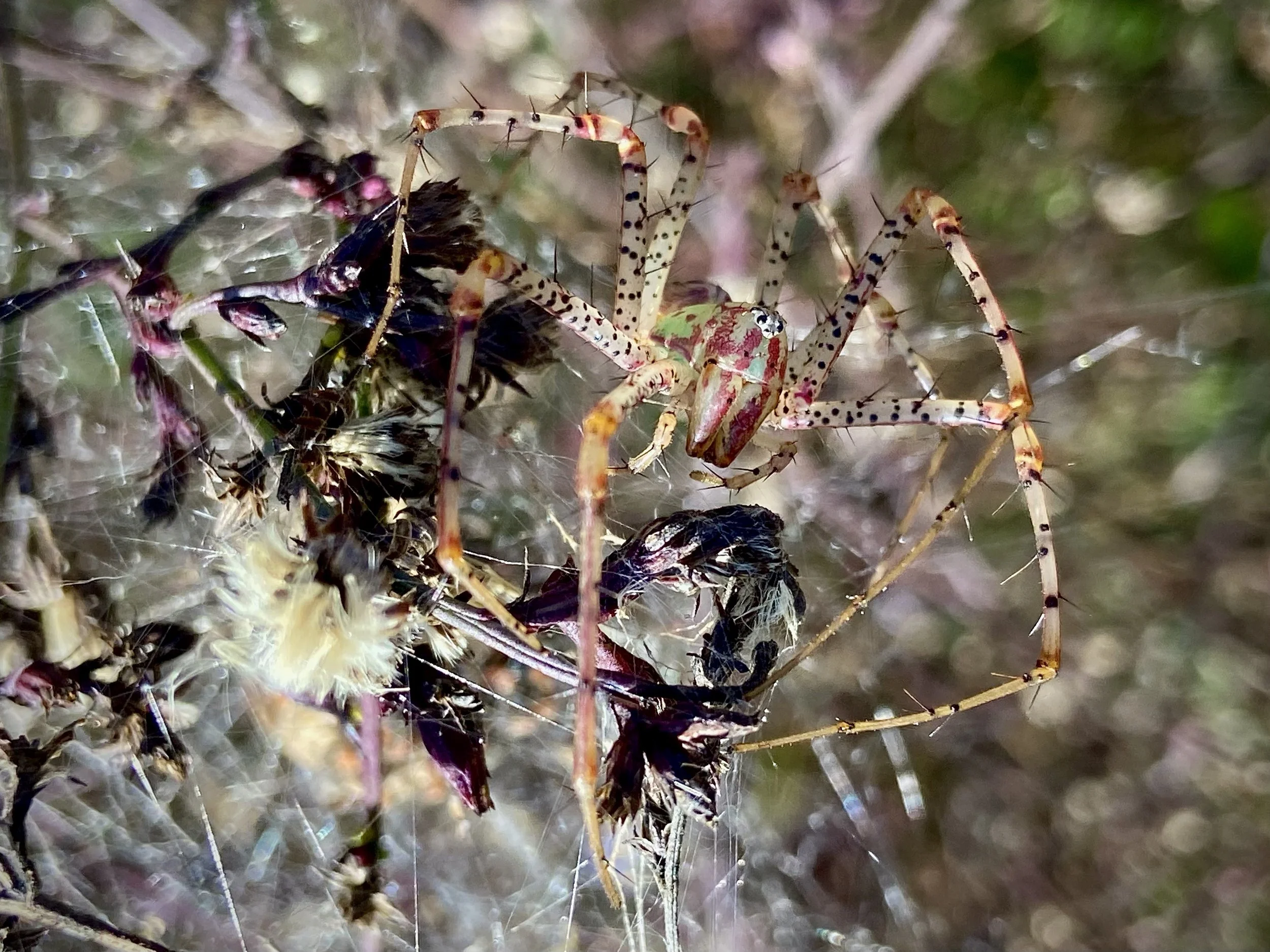
In the prairie at Emmanuel, a quiet drama is unfolding among dried stems and seed heads. A banded garden spider has chosen this unmanaged margin as a place to anchor her web and complete her life cycle. The web is layered and lived-in, holding the memory of the season. The opened egg sac and clustered spiderlings reveal a landscape that has not been rushed, sprayed, or erased. This is habitat shaped by restraint, not control.
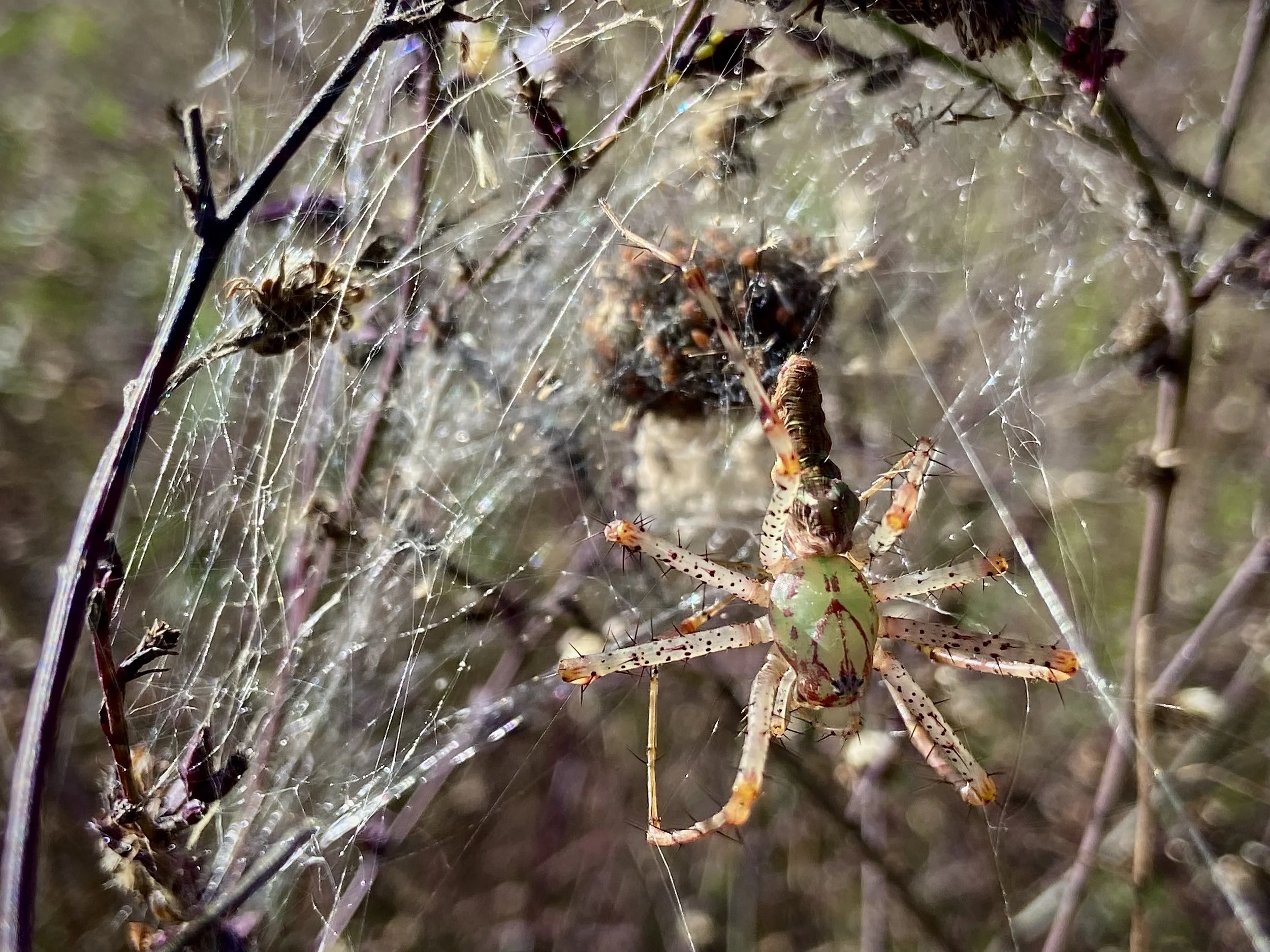
Her reproduction follows prairie time, not weather headlines, as seen in the photo above. The egg sac has already opened, and the spiderlings have emerged together, forming a clustered knot of life suspended in silk. This huddling is a season of waiting, conserving moisture and energy before dispersing into surrounding grasses, leaf litter, and soil cracks. Many will not survive, which is expected. Enough will. This is abundance paired with limits, reproduction without panic.
Their presence benefits the ecosystem quietly but decisively. As predators, these spiders regulate insect populations and convert motion in the field into balance rather than depletion. More importantly, their presence signals something deeper. They do not persist where chemicals dominate or disturbance is constant. They require margin, complexity, and continuity. Seeing them here tells us the prairie is being allowed to behave like a prairie, holding life long enough for the future to take root.
February in the Garden
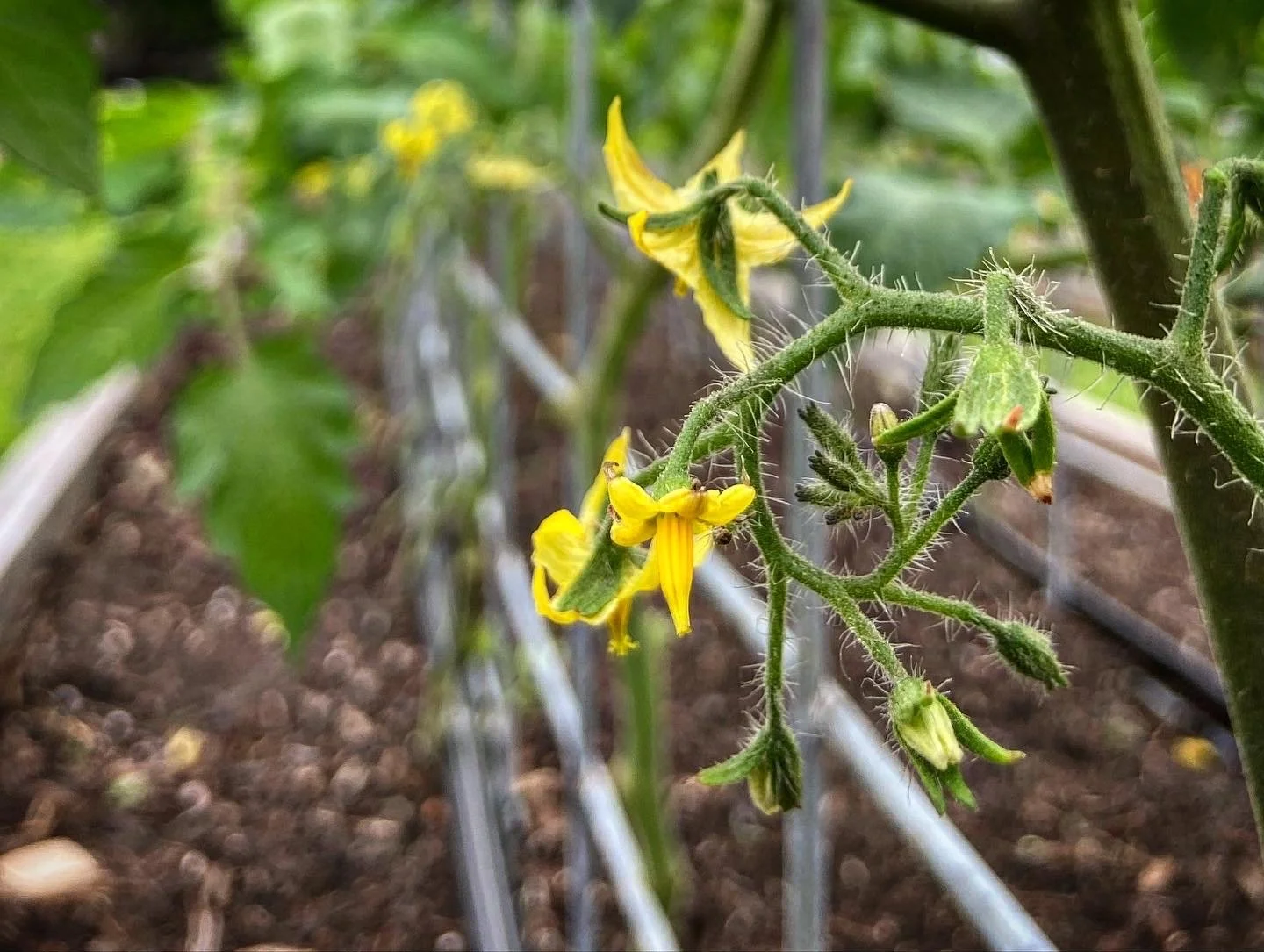
February in Zone 9A Houston is a threshold season, not a clear transition. Days often warm into the 60s and 70s, while nights still dip into the 30s and 40s, with frost remaining a real possibility. The increasing day length can be misleading, creating the feeling that spring has arrived, but soil temperatures tell a slower story. Raised beds cool quickly overnight, and plants respond to the ground beneath them more than the air above them. February requires attention, not assumptions.
Most of the work happening in the garden this month is below the surface. Soil biology is beginning to wake after winter, roots are expanding quietly, and cool-season crops are holding steady rather than pushing new growth. Lettuce, spinach, brassicas, and other winter crops are maintaining themselves, while covered beds continue to outperform bare soil. February is not a month for heavy production or aggressive change. It is a positioning month, where restraint protects what spring will soon depend on.
Around Valentine’s Day, we begin monitoring the ten-day forecast closely, looking not for a single warm stretch but for consistency. In Houston, one warm week does not mean winter is over. When nighttime lows stabilize and cold snaps fall out of the forecast, we prepare to transplant warm-season crops such as tomatoes, peppers, eggplant, cucumbers, and squash. This window is narrow and requires readiness, because our springs do not linger. Spring often gives way quickly to Summer One, with Summer Two close behind.
Because of this compressed season, timing matters more than enthusiasm. Planting too early can stall growth, but waiting too long risks pushing tender crops straight into heat stress. February teaches us to watch carefully, prepare gently, and move decisively when conditions align. In this climate, patience is not passive. It is an active discipline that allows the garden to meet summer rooted, resilient, and ready.