How We Participate
We begin with conversations and visits, learning what people care about, what they’re already doing, and whether our experience could be useful. Three questions help guide that time together.
What do you have?
We begin by recognizing what we’ve already received. This might be something someone taught us, experience gained through work, relationships with neighbors, time to give, or land and facilities in our care. Recognizing these gifts helps us consider how we might share them with others.
Where is life moving?
We look for places where people are already showing interest, caring for one another, or learning together. That might be neighbors preparing meals, a family tending a garden, or people asking how to cultivate food. We spend time with them and listen to understand what matters to them and what they want to pursue.
How do we bring what we have and participate where life is happening?
We consider how our experience, time, and resources might contribute to what people already care about. We talk together about what would be useful, whether our help is desired, and what each of us is willing to do.
Before a garden is built
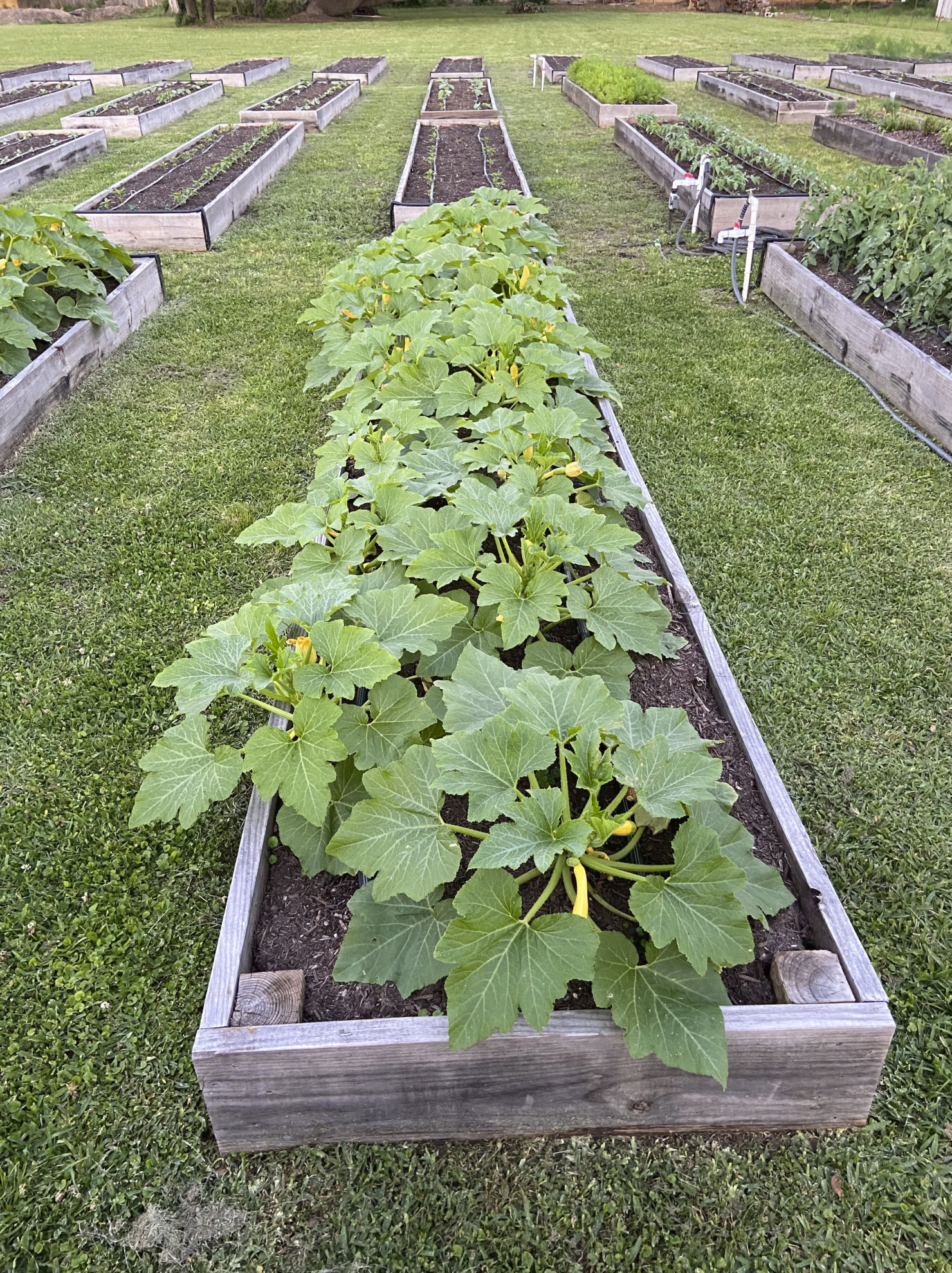
We bring accumulated agricultural experience, garden design, automatic drip irrigation, planning, cost estimates, practical instruction, and time working alongside people. The people we meet bring their own experience, relationships, knowledge of the place, and resources to share.
If there is shared interest in a garden, we work together to understand its purpose and who has both the capacity and desire to tend it. Each person chooses whether and how they want to take part. We make room for that choice as we consider whether a garden belongs in the community.
Before a garden of any size is built, we agree on what each of us can contribute and sustain, including materials, expenses, time, and ongoing care.
Working alongside one another
We share designs freely and teach through measuring, building, planting, observing, and tending together. Questions arise as we work: how water moves through the soil, when to plant, what a crop needs, and how to respond to changes in the garden.
Local people shape the garden and carry its ongoing care. We serve as an ally, offering instruction and helping people think through what they’re observing. Together, we work out the visits and follow-up support we can sustain, helping those tending the garden develop the knowledge and confidence to continue without our daily presence.
Sustaining the work
As a nonprofit organization, TNGP seeks financial support from individuals, families, churches, businesses, and others to sustain the time, teaching, travel, and ongoing support this work requires.
Participating communities cover materials and ongoing garden expenses, either directly or through local supporters. TNGP does not fund garden construction. Planning and cost estimates help everyone understand these responsibilities before work begins.