Why My Onions Stayed Small
And What They Taught Me About Growth
By Kayla Bellamy | Garden Steward, The Neighborhood Garden Project
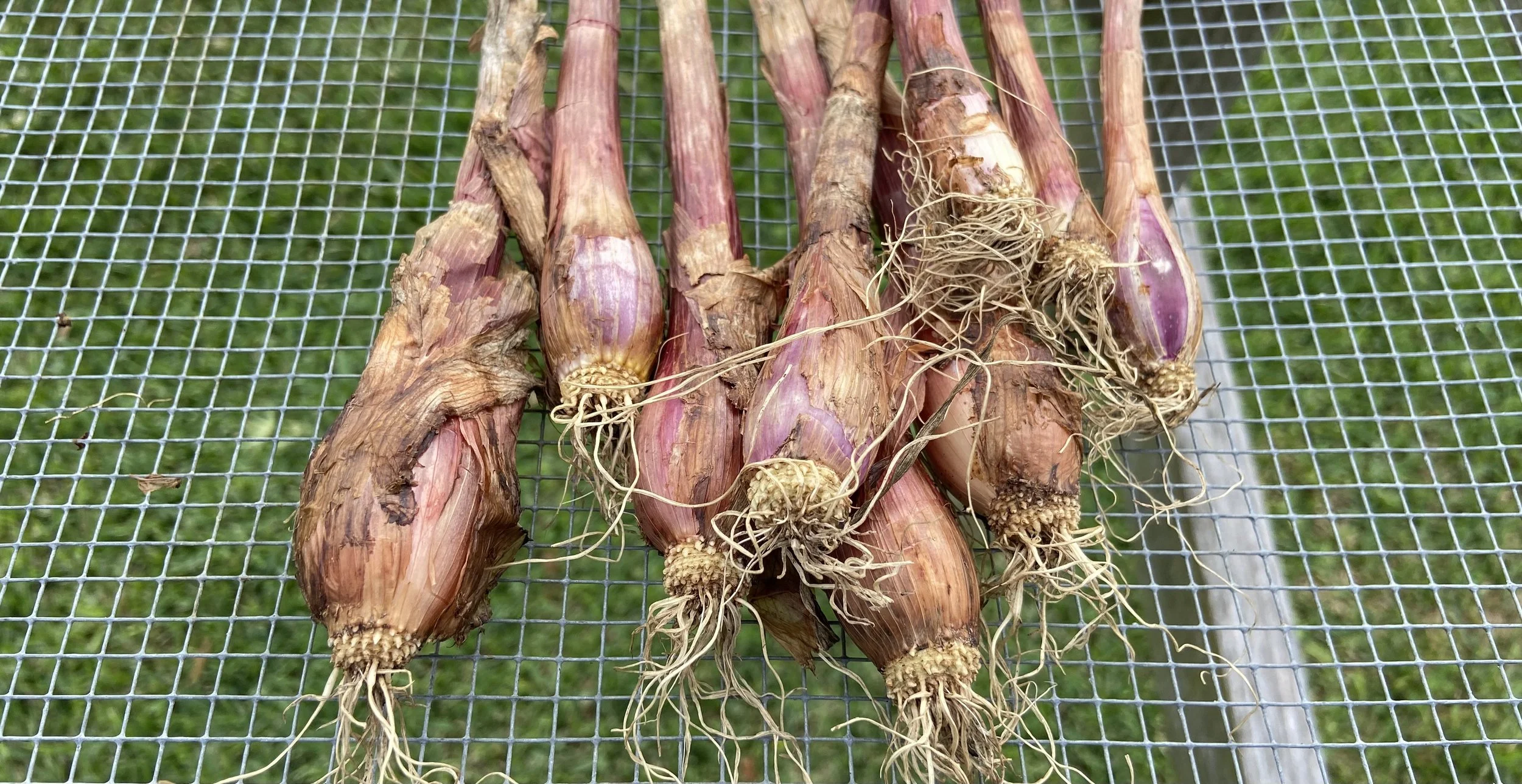
Last October 31st, I planted my 1015s and Creole red onions with high expectations. I envisioned pulling up big, full bulbs—basket-worthy, kitchen-ready, the kind that make you pause and feel proud of the season behind you.
But harvest told a different story.
Most of my onions were… small.
Not unusable. Not a failure. But not what I had hoped for.
And if you’ve ever gardened, you know—that space between expectation and reality is where the real lessons live.
Onions are funny like that. They don’t just grow because they’re planted. They grow well when everything lines up—timing, spacing, nutrients, water, and readiness before the season shifts.
Here’s what I realized looking back:
- Some may have been planted a little too close together
- They likely didn’t size up enough before the days signaled them to start bulbing
- There may have been a gap in early nitrogen when they were building their tops
- And like most seasons, I’m sure water wasn’t perfectly consistent every single week
None of these things are dramatic on their own. But together? They quietly shape the outcome.
That’s the thing about gardening—it’s rarely one big mistake. It’s small misalignments that compound over time.
As I sorted through those smaller bulbs, I couldn’t help but feel like they were telling a bigger story.
Growth doesn’t happen just because we started.
It happens when we’re rooted well, given space, nourished at the right time, and supported consistently.
If onions don’t have what they need before it’s time to bulb, they can’t suddenly make up for it later.
And honestly… neither can we.
There are seasons in life where we expect big outcomes—growth in our relationships, clarity in our purpose, fruit from our efforts—but we may not have given ourselves the space, nourishment, or consistency required early on.
And when the “bulbing season” comes—when it’s time to show up, perform, or produce—we feel behind.
But here’s the encouragement:
Small doesn’t mean failure.
It means there’s something to learn before the next season begins.
The Plan for Next Season
Because every garden (and every life season) gives us another chance to adjust.
Here’s exactly what I’ll be doing differently next year:
1. Give Them Space to Grow
I’ll be intentional about spacing onions 4–6 inches apart. No crowding. No competition. Just room to expand.
2. Focus on Early Strength
From November through January, I’ll prioritize nitrogen to help build strong, healthy tops—because bigger tops lead to bigger bulbs.
3. Watch the Timing Window
By late January or early February, I want thick, established plants. Not struggling starts. That means supporting them well early, not trying to fix things late.
4. Stay Consistent with Water
No big swings. Onions need steady moisture, especially as they begin bulbing. Consistency over perfection.
5. Build Better Soil
Looser, richer, compost-filled soil so bulbs can expand easily and roots can access what they need.
This season didn’t give me the biggest onions—but it gave me something better.
Awareness. Adjustment. Alignment.
And that’s what gardening does so beautifully—it reflects back what we might not see otherwise.
So if your harvest didn’t match your expectations, don’t rush past it.
Look closer.
There’s wisdom in what didn’t grow the way you hoped.
And if you’re willing to learn from it, your next season will always be stronger.
Here’s to bigger bulbs—and better growth, in every area.