What Could Emerge
Cultivation, recognition, and the work beneath the work
By Josh Singleton | Founder, serving as Lead Cultivator, The Neighborhood Garden Project
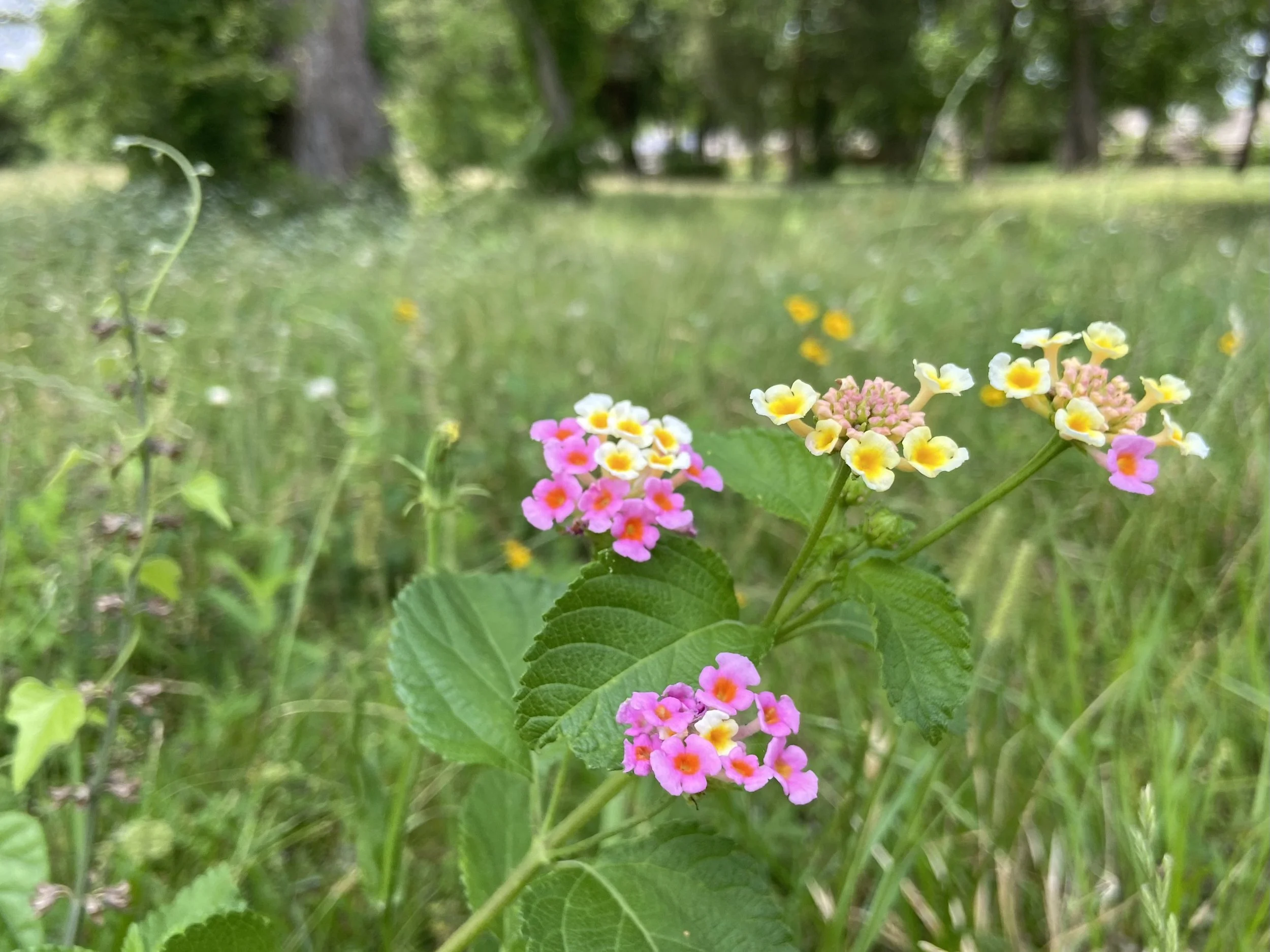
Twenty-four years ago, at 15, I had no idea what was being given.
It did not feel significant at the time. It was simply a garden—a place to be, something to return to without needing to understand it. There was no sense of what it might become or what it would lead to. It was just there, steady and available, asking nothing.
Looking back, something else becomes visible.
What felt ordinary was not empty. What seemed small was not insignificant. Something was already taking root, not just in the soil, but in me.
It was not made to happen. It was allowed.
There is a familiar way of understanding cultivation. With plants, we know what has been planted. We understand what it will become. We can recognize growth because the outcome is already defined. There is a natural predictability to it.
But this does not translate cleanly to people.
With people, we do not know what is in them. We do not know what might emerge or when it will become visible. Cultivation is no longer about guiding something toward a known outcome. It becomes the work of making space for something we cannot predict to emerge.
This is where many systems begin to struggle.
What emerges in people does not fit easily into predefined categories. It is not simply increased participation or measurable engagement. It is not captured by involvement or sustained activity. The language we often use to describe impact begins to fall short.
What emerges is often quieter.
A sense of clarity. A moment of peace. A recognition that something needs to change. A release of what has been carried for too long. Sometimes it is relational—trust where there was distance, honesty where there was hesitation, connection that was never planned. Sometimes it is directional—a decision, a shift, a return, or a letting go.
These are not outcomes that can be produced. They are not initiated on command or directed toward a result, and they are not always visible from the outside.
This is what makes the work different.
The responsibility is not to create what emerges, but to tend the conditions where it can. That means holding a space with integrity, remaining consistent in presence, and removing pressure wherever it appears. It requires attention, not control.
This does not mean nothing is visible along the way.
There are signs. A person lingers longer than expected. Someone returns without being invited. A conversation deepens without being guided. A posture softens. A question appears that had not been asked before. These moments are easy to overlook, or to interpret too quickly, but they are not the result. They are the evidence that something beneath the surface may be taking shape.
In this way, attention is not placed on producing an outcome, but on noticing what is already beginning to emerge and protecting the conditions that made it possible.
There are moments in the garden that are difficult to describe, not because they are complex, but because they are simple in a way that changes how everything else is seen.
At times, something becomes visible that was not visible before. It is not added or explained. It is simply recognized. And once it is seen, it cannot be unseen.
This is not the result of instruction. It is not something the space produces. It is something that becomes clear when there is enough room for it to appear.
Because of this, what happens in the garden does not need to be reinforced. It holds on its own, not because it was made to last, but because it was recognized as true.
As this happens, something else becomes clear. What is emerging does not belong to the garden, and it does not belong to the organization. It belongs to the person.
The insight, the shift, the recognition—these are not ours to carry forward or interpret on their behalf. They are not something to be leveraged, shared, or extended in order to sustain the work. They are something to be received by the person themselves.
The moment someone begins to recognize what is happening within them, something shifts. They are no longer being guided into something. They begin to own it.
And when that happens, the role of the garden changes. It moves into the background—not because it is no longer important, but because it is no longer central. The work is no longer about the space. It is about the life that is unfolding within the person.
In this way, the garden does not gather stories to sustain itself. It releases them. The work continues without the need to gather stories to sustain it. What is held is not the outcome, but the integrity of the space in which something real was allowed to emerge.
There is a familiar instinct that runs beneath much of our work. If something matters, we should be able to make it happen through effort, clarity, and persistence. This instinct has built systems, organizations, and communities, and in many places it is right.
But not here.
There are forms of life that do not respond to effort in the same way. They are not produced. They are recognized. In these spaces, the instinct to make something happen begins to introduce pressure—pressure to respond, to engage, to continue. And that pressure, even when subtle, begins to close the very space needed for something real to emerge.
There is work that builds, and there is work that receives.
Confusing the two leads to exhaustion. Learning the difference creates clarity.
The paradox is simple. By not trying to make something happen, the conditions are created where something can.
Not always. Not on command. Not for everyone.
But when it does, it carries a different kind of weight.
It is not controlled, predicted, or produced.
It is real.
And that is the work beneath the work.
Not what is built, but what is cultivated. Not what is made to happen, but what is finally allowed to emerge.