The Progression of Hairy Vetch
And Protecting the Edge Long Enough for What’s Inside to Multiply
By Josh Singleton | Founder, serving as Lead Cultivator, The Neighborhood Garden Project
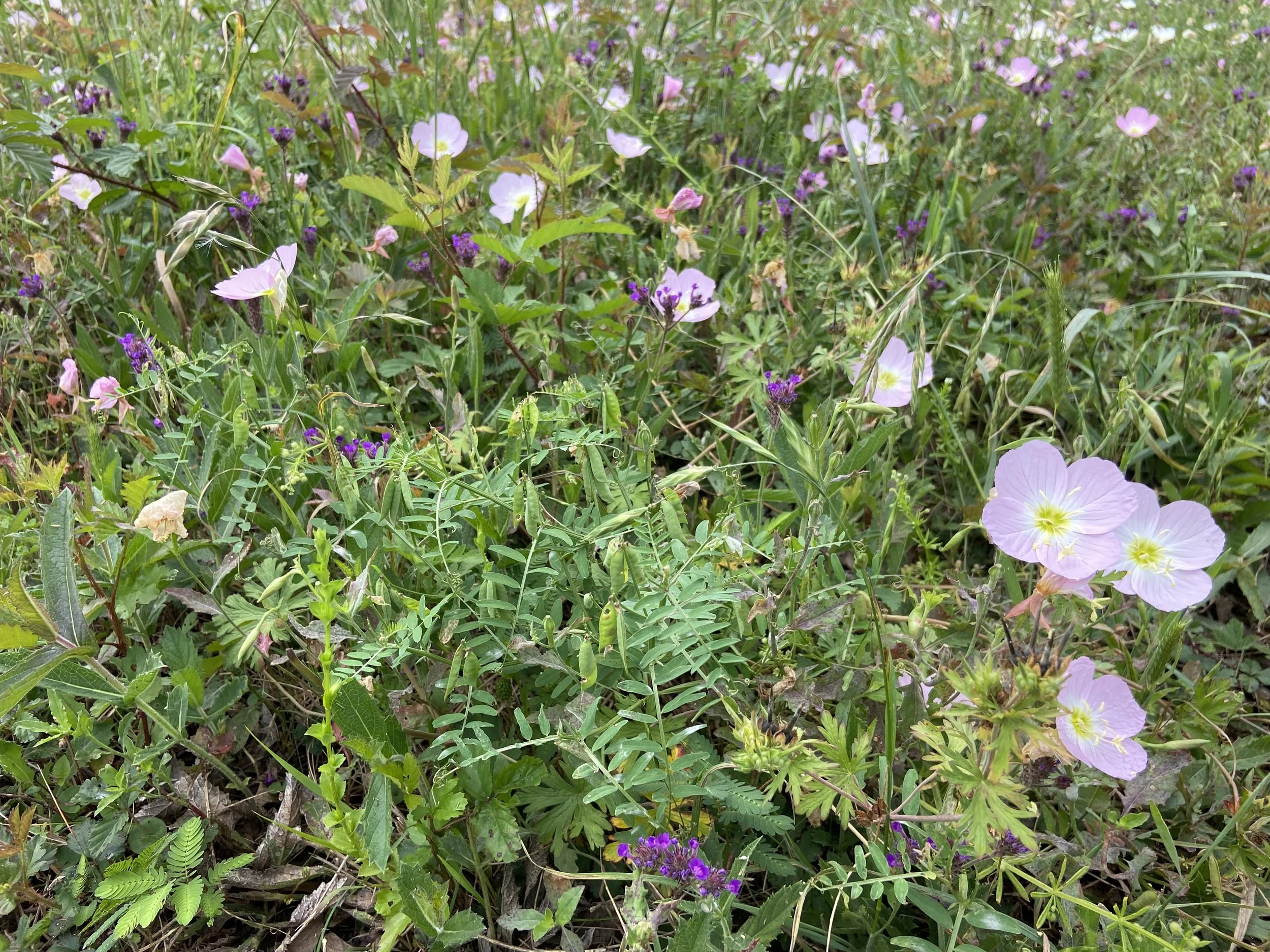
I was walking through the prairie when I noticed something quietly unfolding.
Hairy vetch.
Not planted.
Not managed.
Not scheduled.
Just moving through its life cycle.
And as I slowed down, I realized I wasn’t just looking at a plant.
I was watching a progression.
A rhythm.
A pattern that mirrors how life actually works.
And what struck me most was this:
Hairy vetch multiplies explosively…
But only after a long season of quiet formation.
And I couldn’t help but think about people.
Because most people carry explosive, multiplying gifts.
But most of those gifts never make it to multiplication.
They’re controlled.
Reduced.
Interrupted.
And eventually… taken to the grave.
Not because they weren’t real.
But because they weren’t given enough time.
Stage One: Formation, Seeds Still Soft
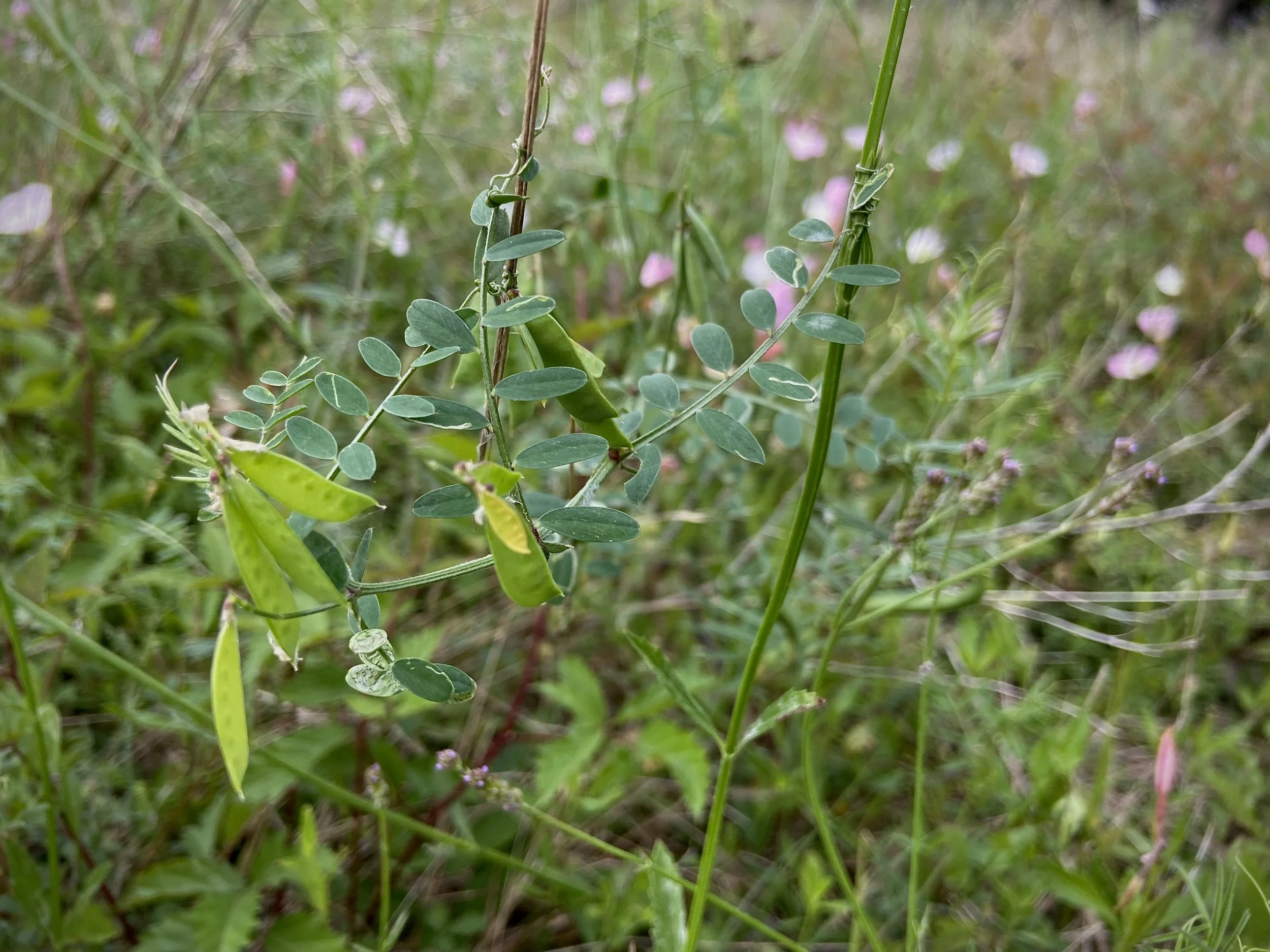
In the first stage, the pods are green.
Soft.
Flexible.
Still forming.
Inside these pods, seeds are developing, but they are not ready yet.
Scientifically, this is the seed fill stage.
At this point:
Seeds are still accumulating nutrients
Moisture content is high
Seeds are not yet viable
The plant is still actively alive
Roots are still interacting with soil biology
This stage is fragile.
If the plant is cut now:
Seeds will not mature
Multiplication will not occur
The cycle is interrupted
The plant is not ready yet.
And this is where the human parallel becomes clear.
Most people live in this stage.
They are forming.
They are growing.
They are building capacity.
But they are often cut too early.
Through pressure.
Through expectations.
Through control.
Through urgency.
And before their gifts mature…
They are redirected into survival.
Their seeds never form fully.
Their multiplication never happens.
Stage Two: Maturity, Seeds Becoming Viable
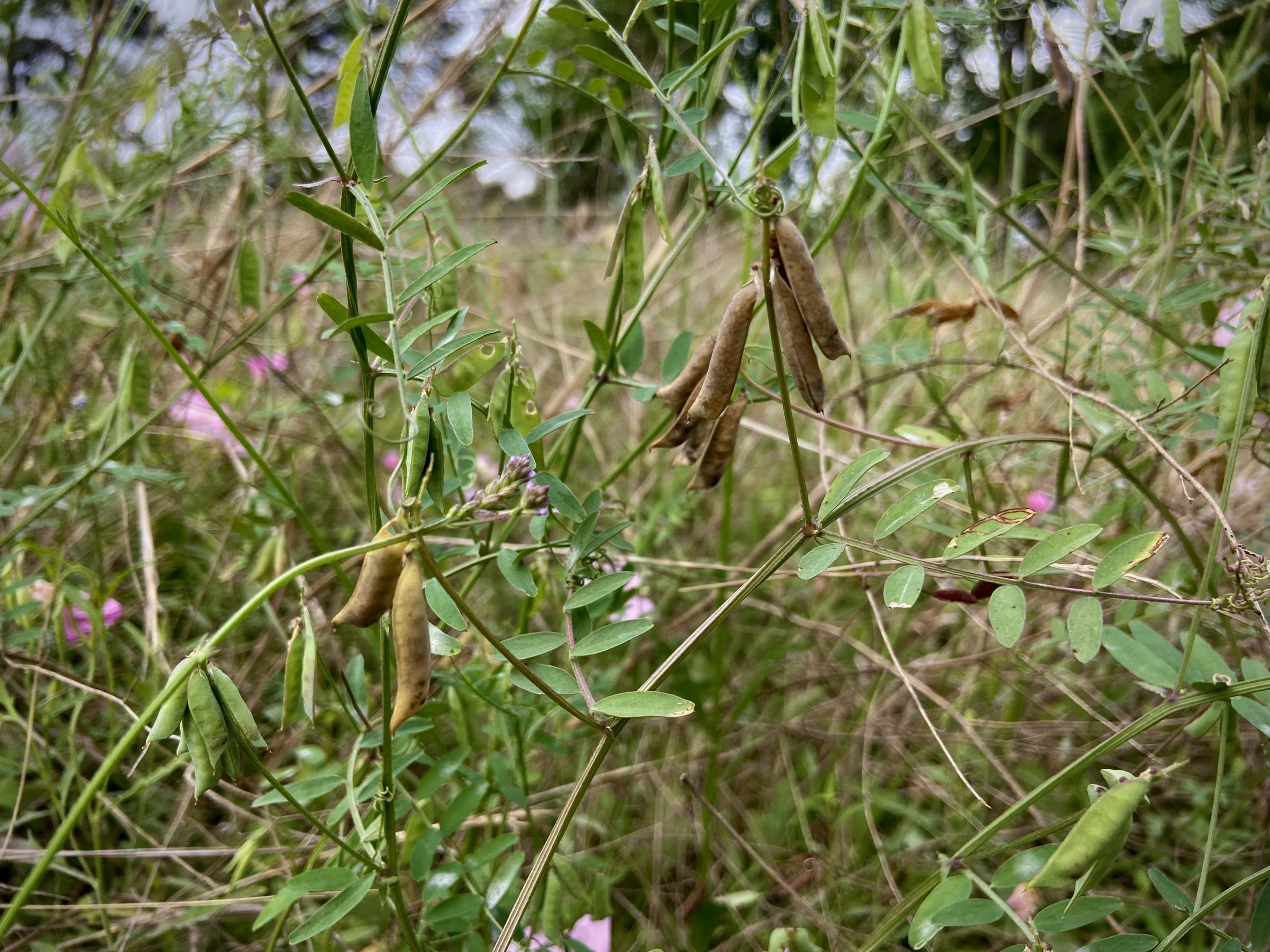
In the second stage, the pods begin turning tan and brown.
The plant begins to dry.
This is physiological maturity.
At this stage:
Seeds are becoming viable
Nutrients are being transferred into seeds
The plant begins natural senescence
Energy shifts toward completion
Now the plant is close.
But still not finished.
If cut here:
Some seeds may survive
Some will not
Multiplication is reduced
This is the stage many people reach.
They develop gifts.
They gain clarity.
They begin to understand their capacity.
But before full multiplication…
Life interrupts.
Responsibilities increase.
Systems constrain.
Expectations narrow.
And instead of explosive multiplication…
Their gifts are managed.
Contained.
Reduced.
Stage Three: Completion, Seeds Ready to Multiply
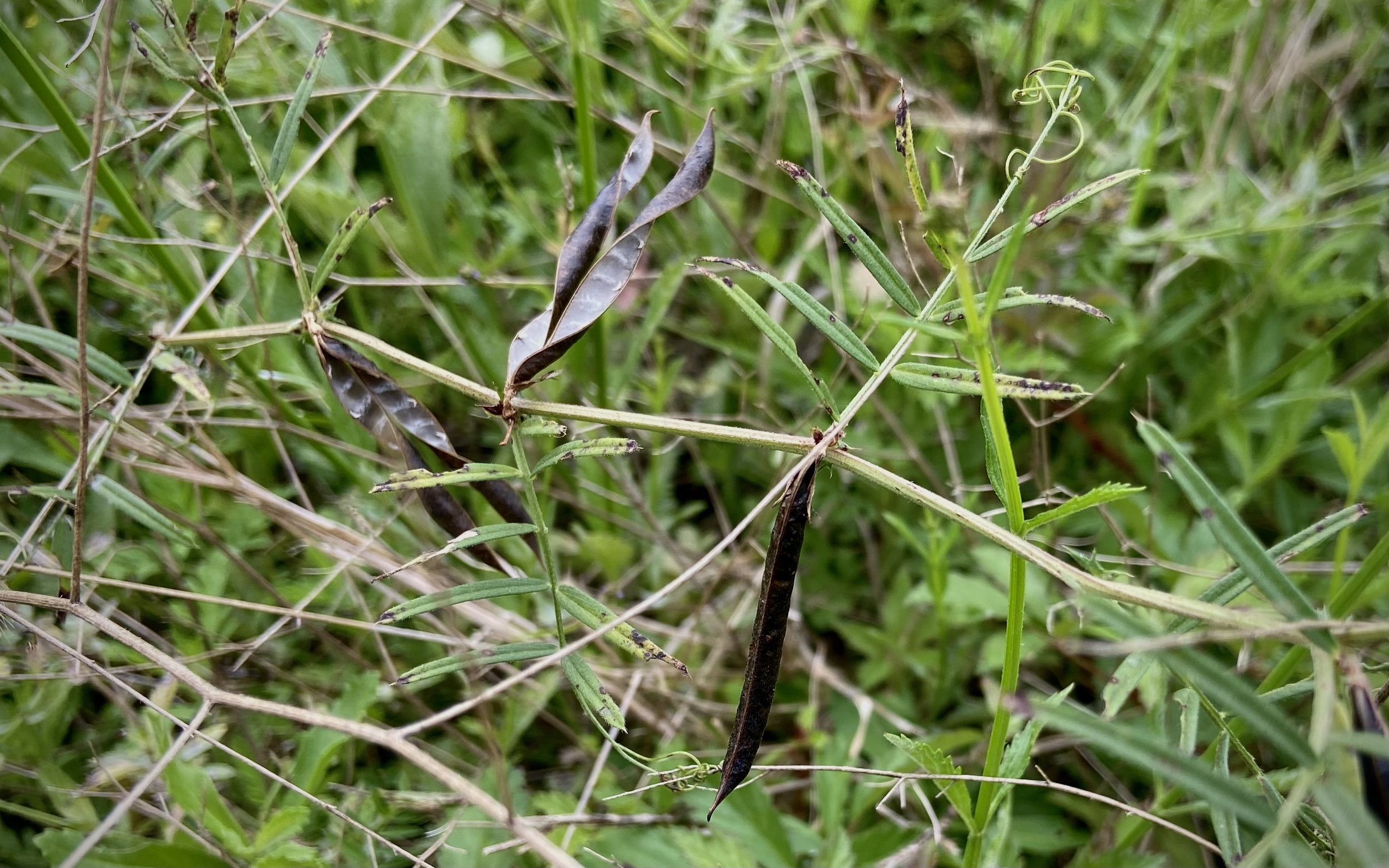
In the final stage, the pods darken.
They dry completely.
And then something remarkable happens.
The pods twist.
This twisting is not decay.
This is engineering.
Scientifically, this happens because:
The pod walls dry unevenly
Outer and inner fibers shrink at different rates
Tension builds within the pod
The pod suddenly splits and curls
This is called dehiscent seed dispersal.
Hairy vetch pods are designed to:
Twist
Curl
Snap open
Throw seeds outward
This is how the plant multiplies.
The twist creates stored tension.
When released, seeds are flung away from the parent plant.
This increases:
Distribution
Survival
Expansion
Diversity
The plant doesn’t just drop seeds.
It launches them.
This is multiplication by design.
This is where the metaphor deepens.
Because before the pod twists…
There is tension.
Drying.
Pressure.
Change.
Completion.
And then… release.
The same is true for people.
Often, before multiplication:
There is tension.
There is pressure.
There is transition.
And if the environment is protected long enough…
Release happens.
Not forced.
Not managed.
Just natural.
And what was forming quietly…
Suddenly multiplies.
Why This Matters
Hairy vetch doesn’t multiply by accident.
It multiplies through:
Formation
Maturity
Tension
Release
Expansion
And this may explain something profound:
Many people carry seeds.
Many people even reach maturity.
But if the environment never allows release…
Their gifts remain inside.
The pods never twist.
The seeds never disperse.
The multiplication never happens.
And so many people carry explosive multiplication potential…
But never experience the release.
Because we control.
We manage.
We reduce.
And what was meant to multiply…
Gets buried instead.
Hairy vetch reveals something simple and profound:
Multiplication requires:
Time
Formation
Maturity
Tension
Release
And maybe the question becomes:
Can we protect the edge long enough for the tension to build and the seeds to finally release?