God Cultivates Faithfulness
Fruit is overflow, not the outcome
By Josh Singleton | Founder, serving as Lead Cultivator, The Neighborhood Garden Project
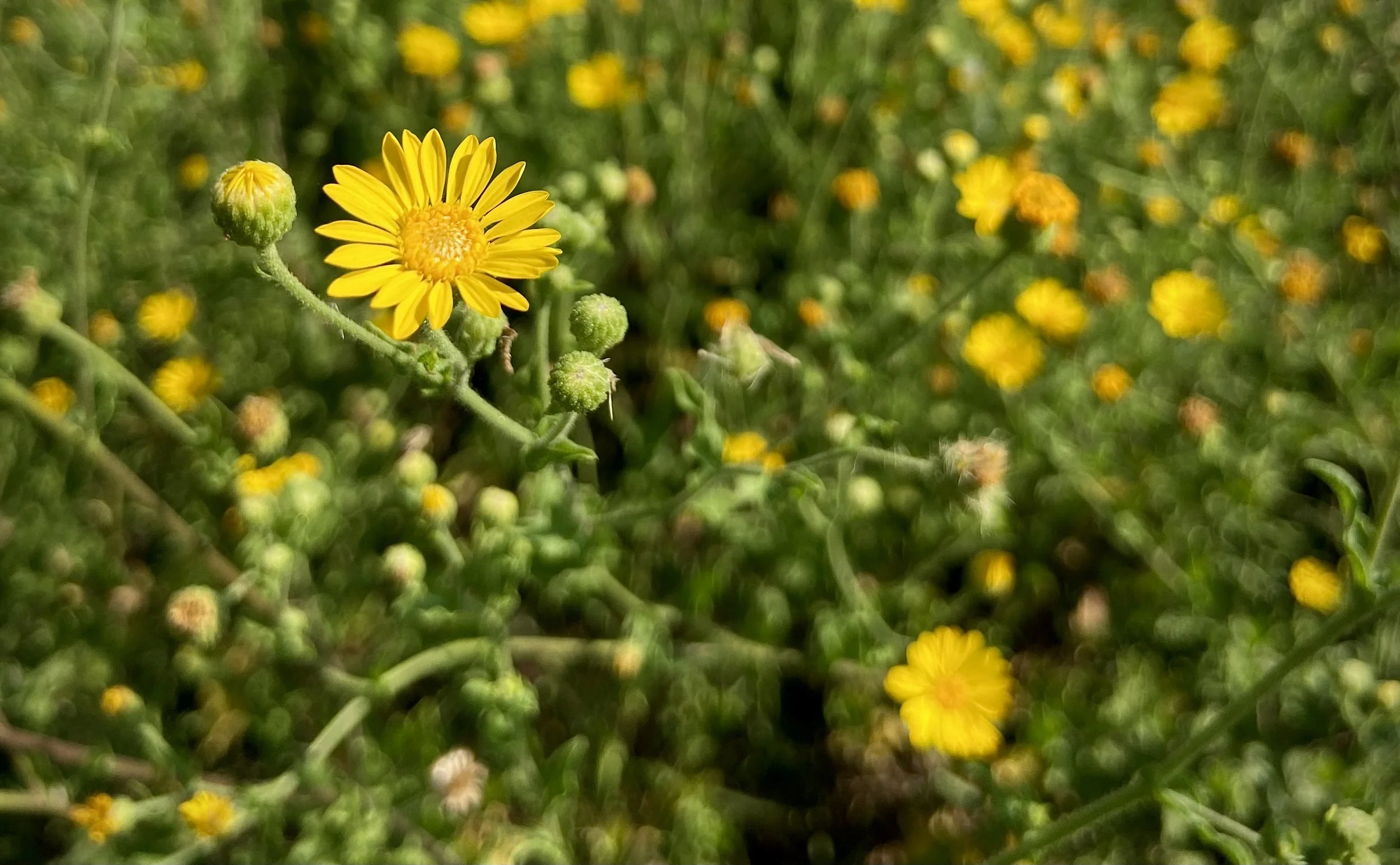
God does not cultivate fruit first. He cultivates faithfulness.
In the garden, you never cultivate fruit directly. You cultivate the conditions that allow fruit to emerge. You prepare the soil, you water, you observe, and you wait. There is often a long stretch of time where nothing appears to be happening. Beneath the surface, roots are forming, microbes are working, moisture is balancing, and life is quietly preparing itself. The fruit comes later, not because you forced it, but because you faithfully tended what was alive.
This is how God seems to work in our lives as well. We often assume God is cultivating outcomes. We think He is cultivating success, provision, growth, influence, or impact. But when we step back and look more closely, we see something quieter unfolding. God cultivates trust. He cultivates patience. He cultivates surrender. He cultivates attentiveness. And slowly, over time, He cultivates faithfulness.
Faithfulness becomes the soil where everything else grows.
This is difficult for us because we often believe fruit is the goal. We assume that God is forming us so that we can produce something measurable, something visible, something impressive. But fruit is not the result God cultivates us for. Fruit is overflow. It is what naturally emerges when life is healthy and rooted.
In the garden, you do not grow fruit to prove the plant is healthy. Fruit appears because the plant is healthy. It is not forced. It is not manufactured. It is overflow.
The same is true in our lives.
When faithfulness is cultivated, fruit appears:
peace becomes visible
wisdom becomes evident
provision begins to emerge
relationships deepen
opportunities unfold
But these are not the goal. They are the overflow of a life that has been cultivated.
This changes how we see slow seasons. There are times when nothing appears to be happening. Doors do not open. Timelines stretch. Provision feels uncertain. Growth feels slow. These seasons can feel uncomfortable, even discouraging. But what if these seasons are not delays? What if they are cultivation?
In the garden, slow growth is often the healthiest growth. Deep roots take time. Resilient plants take time. Balanced ecosystems take time. God appears to work the same way, cultivating faithfulness slowly and intentionally.
Over time, something begins to shift. As faithfulness is cultivated, we begin to walk differently. We stop forcing outcomes. We stop rushing timelines. We stop trying to control what cannot be controlled. Instead, we begin to observe. We begin to respond. We begin to trust. We begin to walk faithfully with life.
This is not passive. It is deeply attentive. It is like walking through a garden and noticing what is alive. You water where growth is emerging. You create space where life is forming. You release what is no longer thriving. You do not force growth. You respond to it.
Simply walking faithfully with life.
For me, this realization did not come from theory. It came from decades in the garden. I have literally walked away from much of what I was taught by people and anchored my life to the reality of life in the garden. It is the only consistent environment I have known that has never pressured me, never demanded performance, and never asked me to become something artificial. The garden has only ever received me for who I am and how I show up.
Most environments in life shape us through pressure. They reward performance, speed, and outcomes. Over time, we adapt. We learn to manage perception, to strive, to produce. But the garden does none of that. The garden is honest. If you rush, it reveals it. If you force, it shows the consequences. If you neglect, it reflects it back. If you show up patiently and attentively, it responds with life.
It does not judge. It does not pressure. It simply tells the truth.
Because the garden tells the truth, it becomes trustworthy. The rhythms remain the same. Seasons come and go. Soil builds slowly. Life emerges in its time. These patterns existed long before us and will continue long after us. When you spend enough time in that environment, you begin to trust reality itself. You begin to trust slow growth, unseen work, patience, restraint, and emergence. You begin to see that life does not need to be forced.
And slowly, this posture begins to shape everything else. You begin to notice when environments are not aligned with life. You begin to recognize when pressure replaces formation, when performance replaces presence, when urgency replaces faithfulness. And naturally, you begin to step away. Not out of rebellion, but out of alignment.
The garden becomes more than a place. It becomes a teacher. It cultivates patience. It cultivates attentiveness. It cultivates humility. It cultivates surrender. And over time, it cultivates faithfulness.
God cultivates faithfulness.
And when faithfulness is cultivated, fruit begins to appear. Not as something we chased, but as something that naturally overflowed. Clarity forms slowly. Peace settles in. Provision emerges in unexpected ways. Relationships deepen. Opportunities unfold. Not suddenly, but steadily.
Just like in the garden, fruit appears in its season. It cannot be rushed, and it does not need to be forced.
What once felt like delay begins to look like preparation. What once felt like silence begins to look like formation. What once felt slow begins to look like growth. God was not withholding outcomes. He was cultivating faithfulness.
And faithfulness changes everything. It allows us to live differently. It allows us to slow down. It allows us to trust what we cannot yet see. It allows us to walk without needing to control the outcome. Faithfulness creates the conditions where life can emerge naturally.
Over time, we begin to realize something simple but profound. God was never asking us to produce fruit. He was cultivating faithfulness. And when faithfulness is cultivated, fruit naturally follows, not as the goal, but as overflow.
Like the garden, the work is quiet, patient, and often unseen. But when fruit finally appears, we realize it was never about forcing growth. It was about faithfully tending what was alive all along.
And we find ourselves living in a way that once seemed wild, but now feels natural.
Simply walking faithfully with life.